1. Image at least twenty-five deep sky objects.
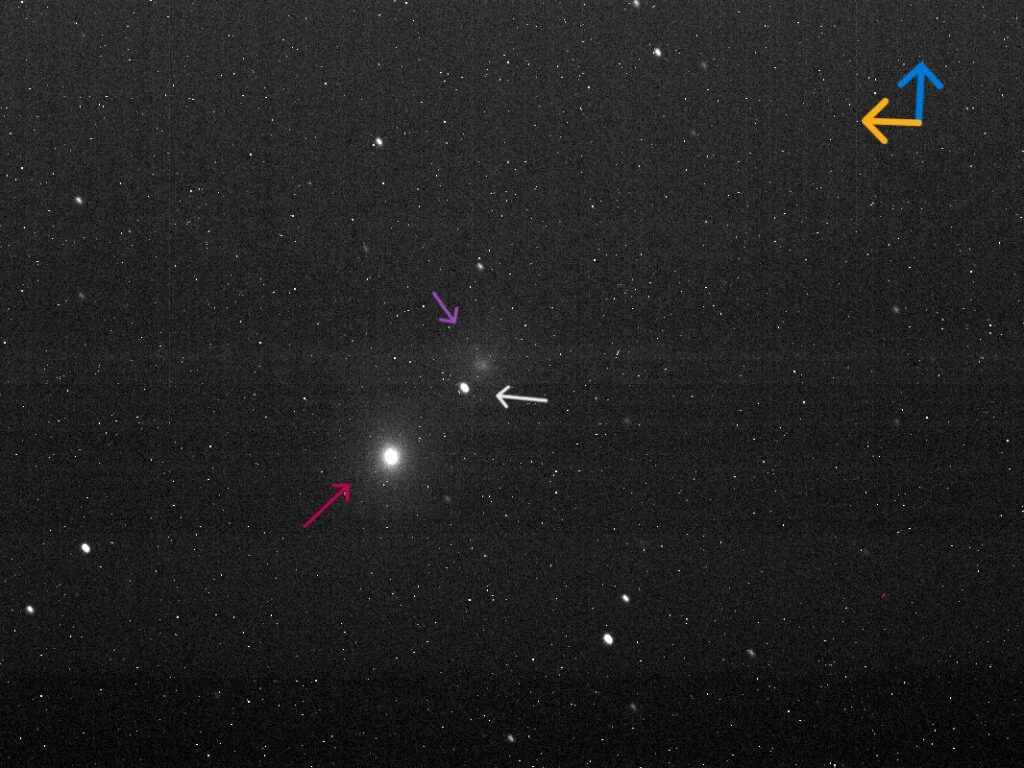
Note north is blue arrow, east is gold.
The images should include at least two objects in each of the following types:
Open clusters
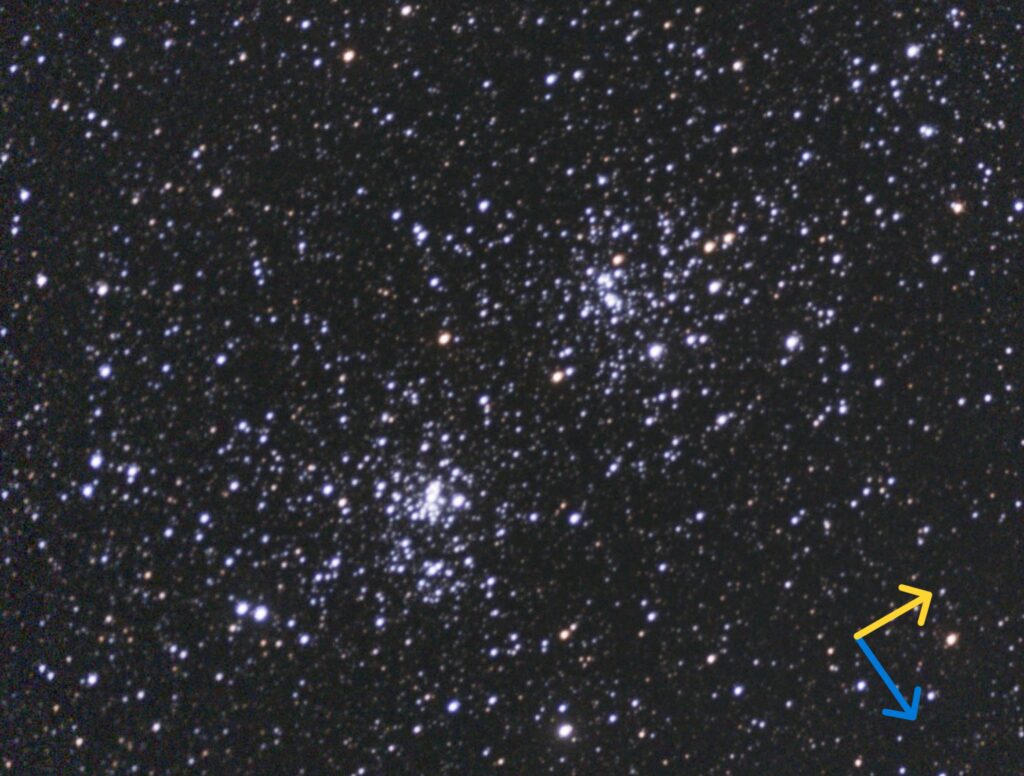
NGC 869 / 884 185 @ 10s subs SeeStar
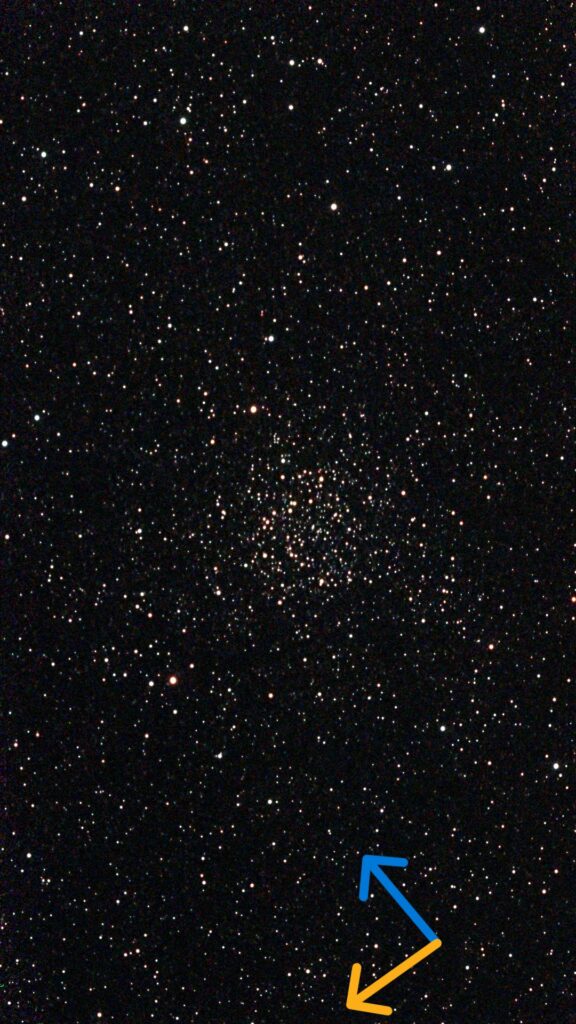
NGC 7789 42 @ 10s subs SeeStar
Globular clusters
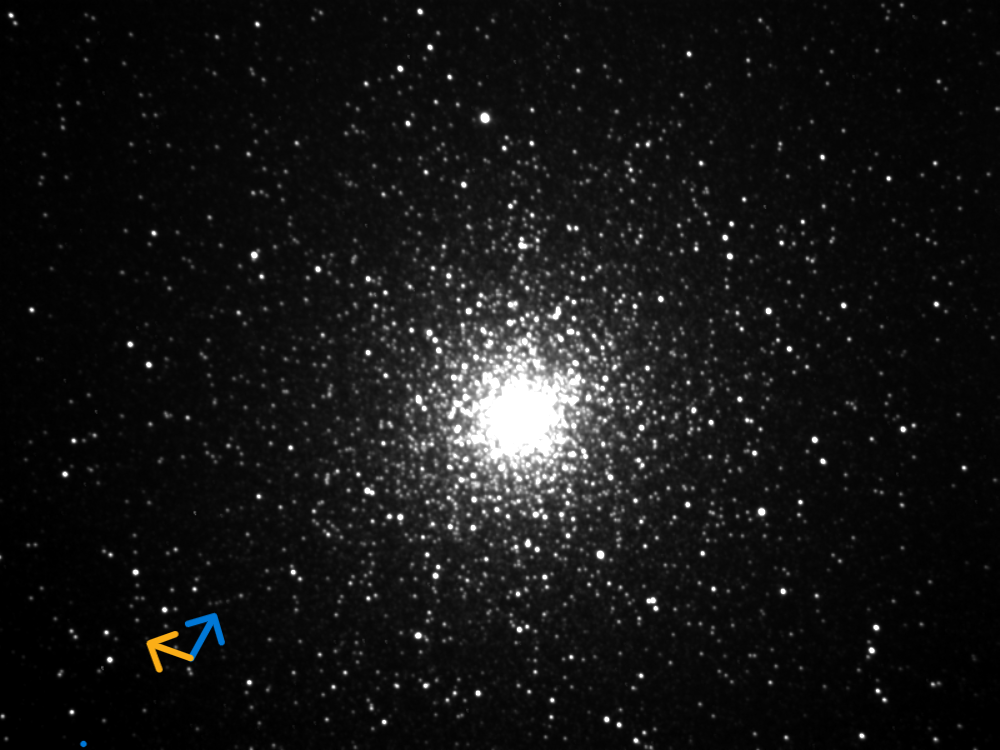
47 Tuc 5 @ 60s subs RCOP
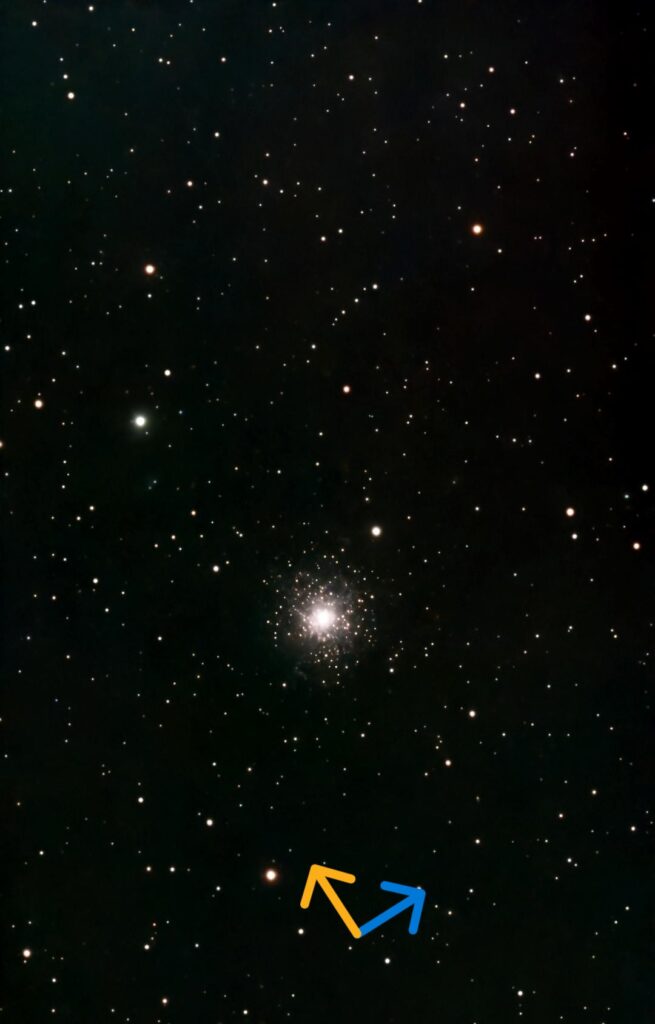
M 15 64 @ 10s subs SeeStar 50
Dark nebulae
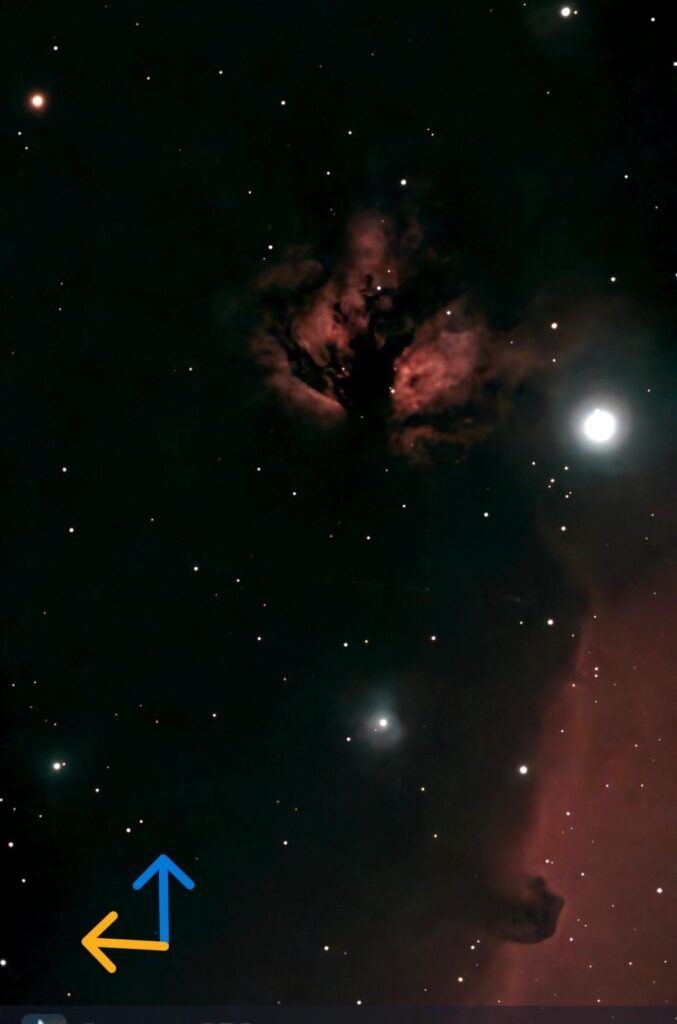
NGC 2024 32 @ 10s subs SeeStar 50
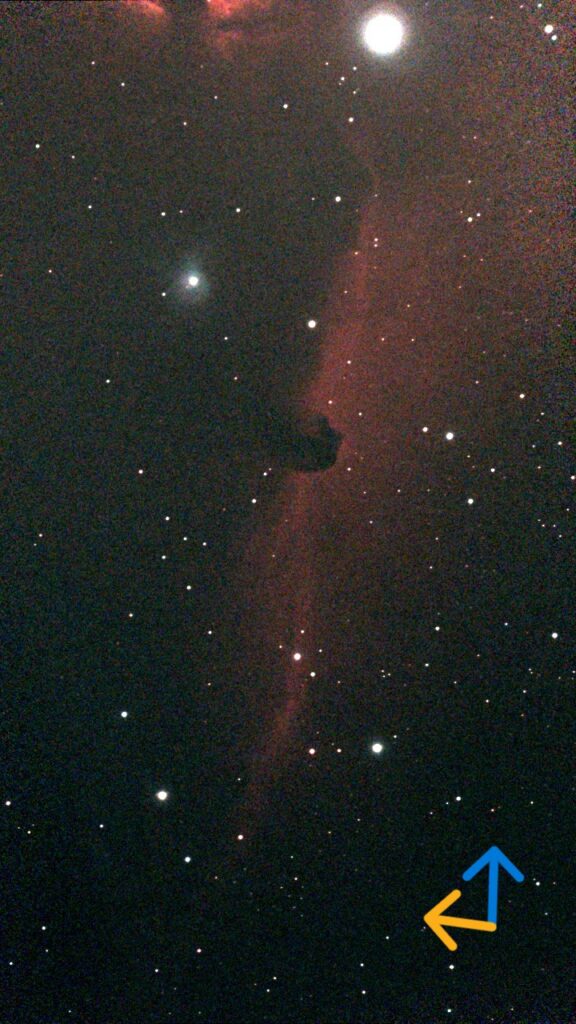
IC 434 and B 33, 68 @ 10s subs SeeStar 50
Galaxies
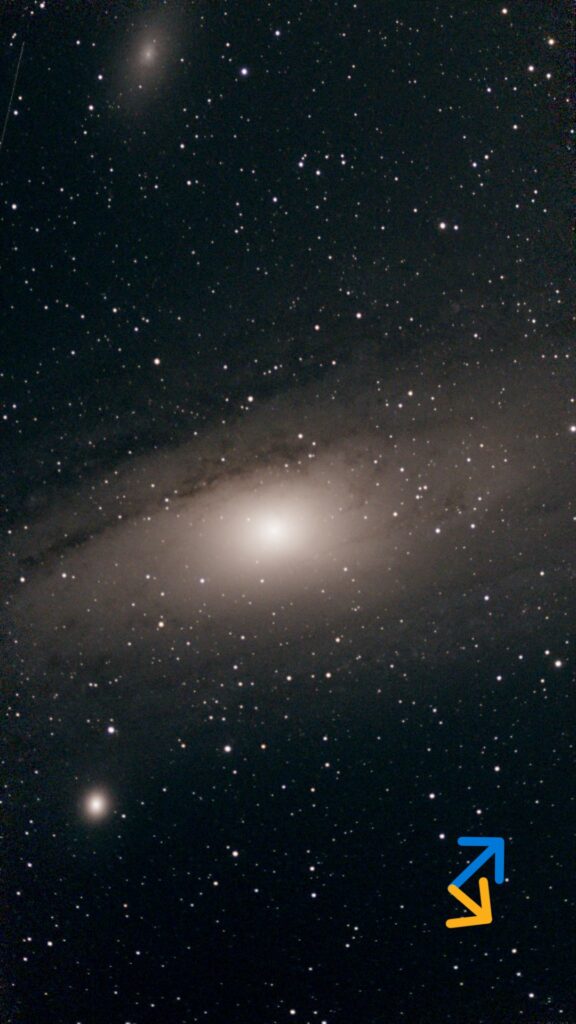
M31 M32 M110 62 @ 10s subs SeeStar 50
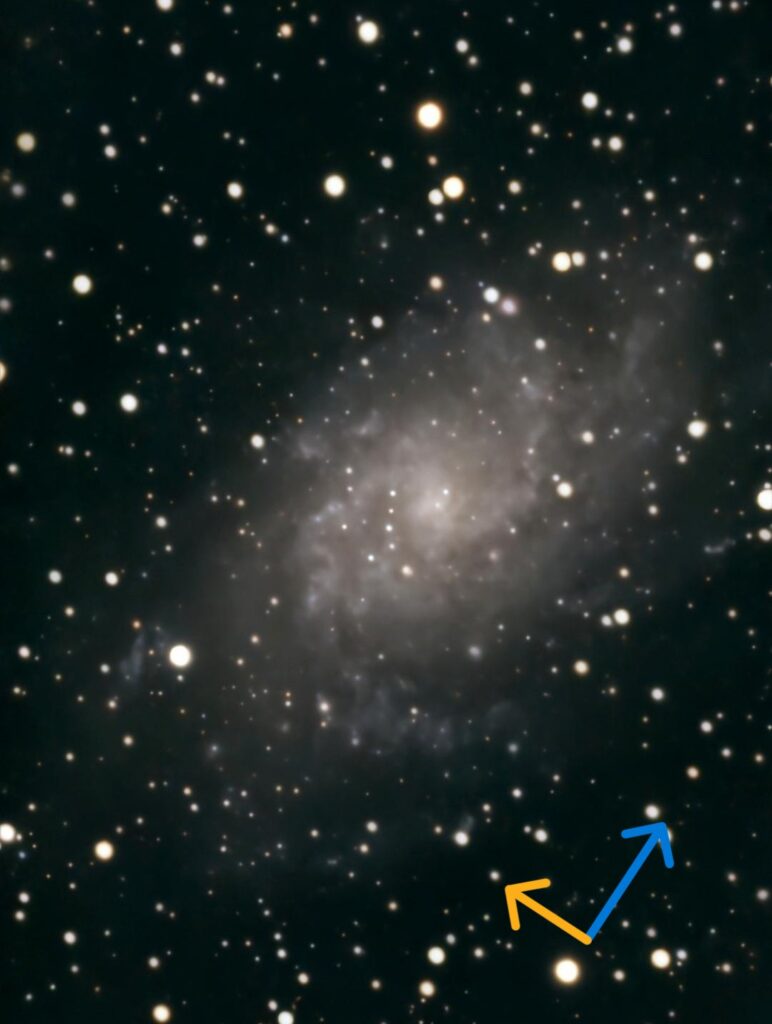
M33 38 @ 10s subs SeeStar
Bright nebulae must include at least one of each of the following:
Star-forming regions, including the Bok Globules (e.g. M42, M16),
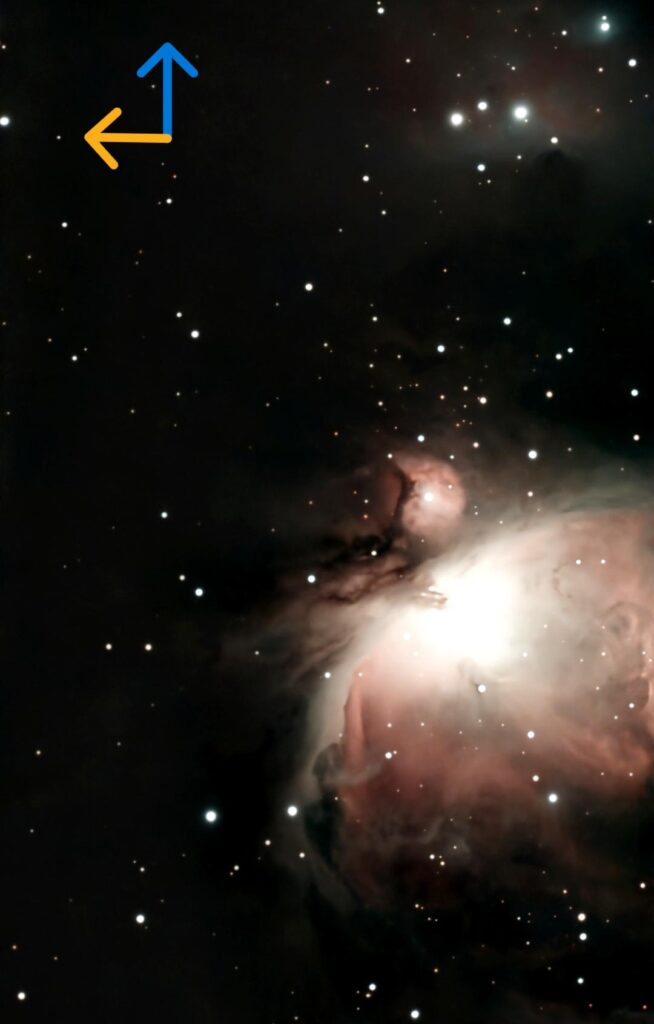
M 42 129 @ 10s subs SeeStar 50
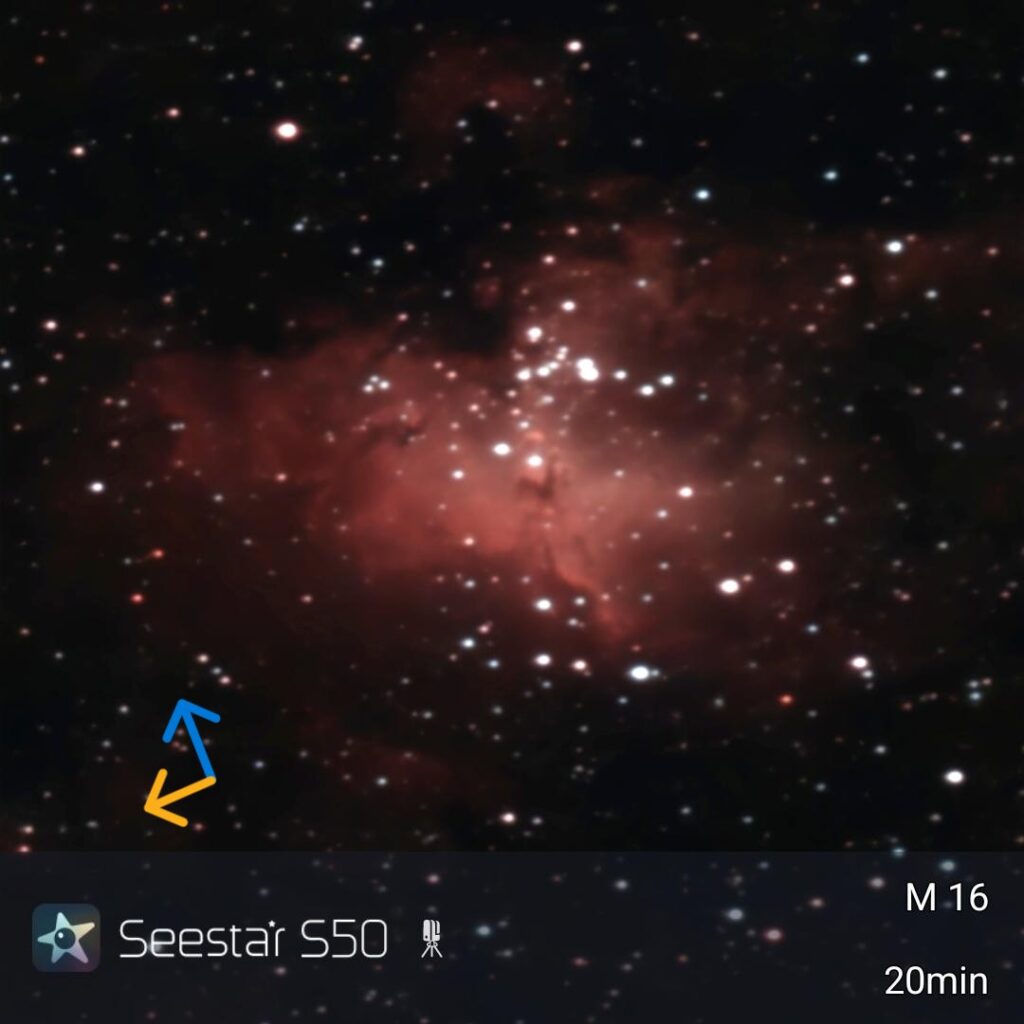
M16 120 @ 10 s subs
Reflection nebulae (e.g. M78, NGC 7023)
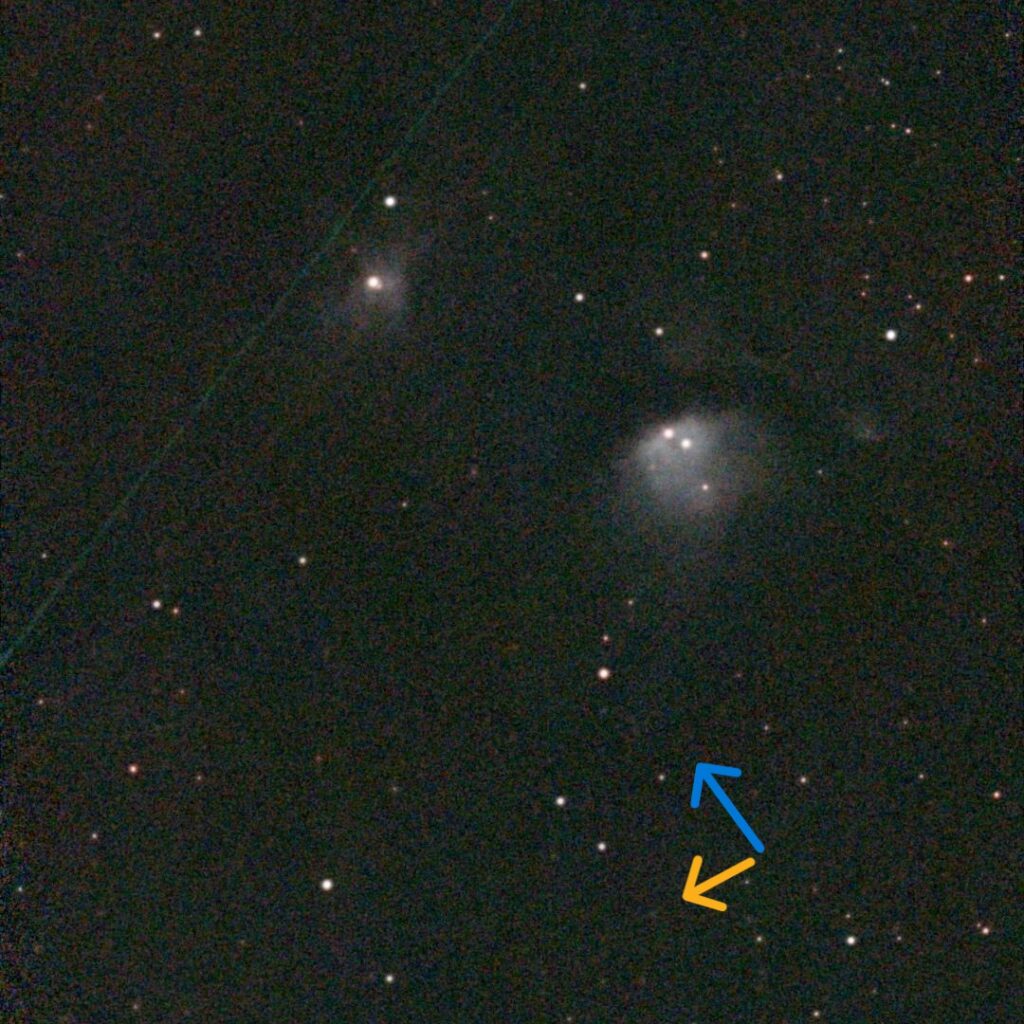
M 78 136 @ 10 s subs SeeStar
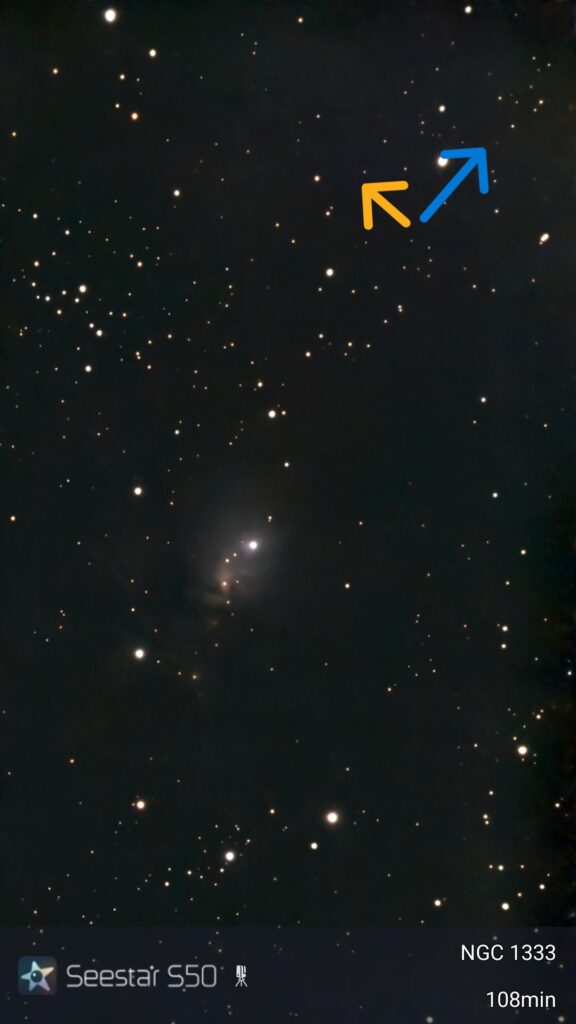
NGC 1333 648 @ 10s subs
Planetary nebulae (e.g. M57, M27)
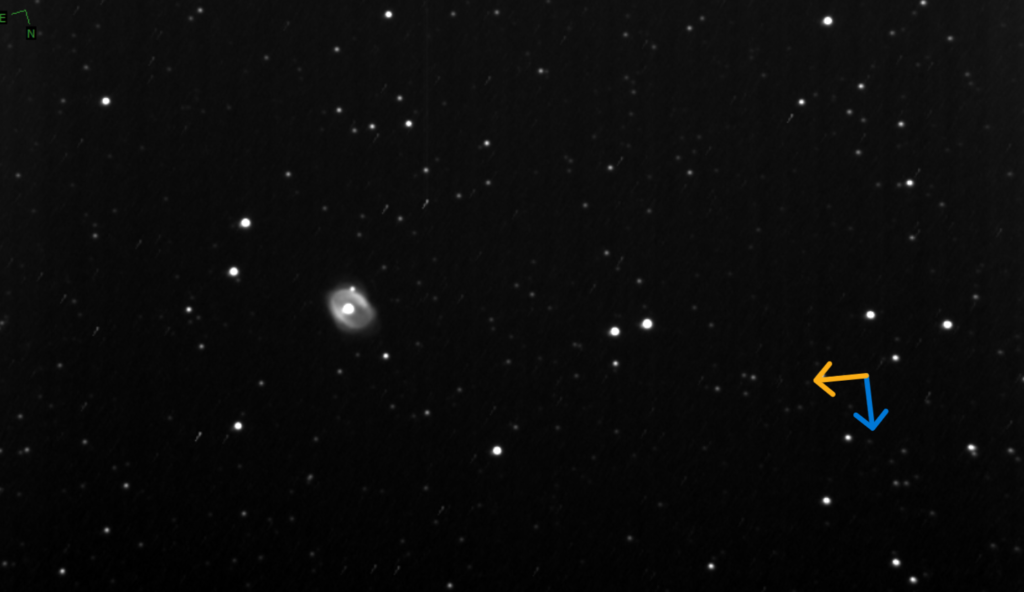
NGC 3132 11 @ 60s subs RCOP
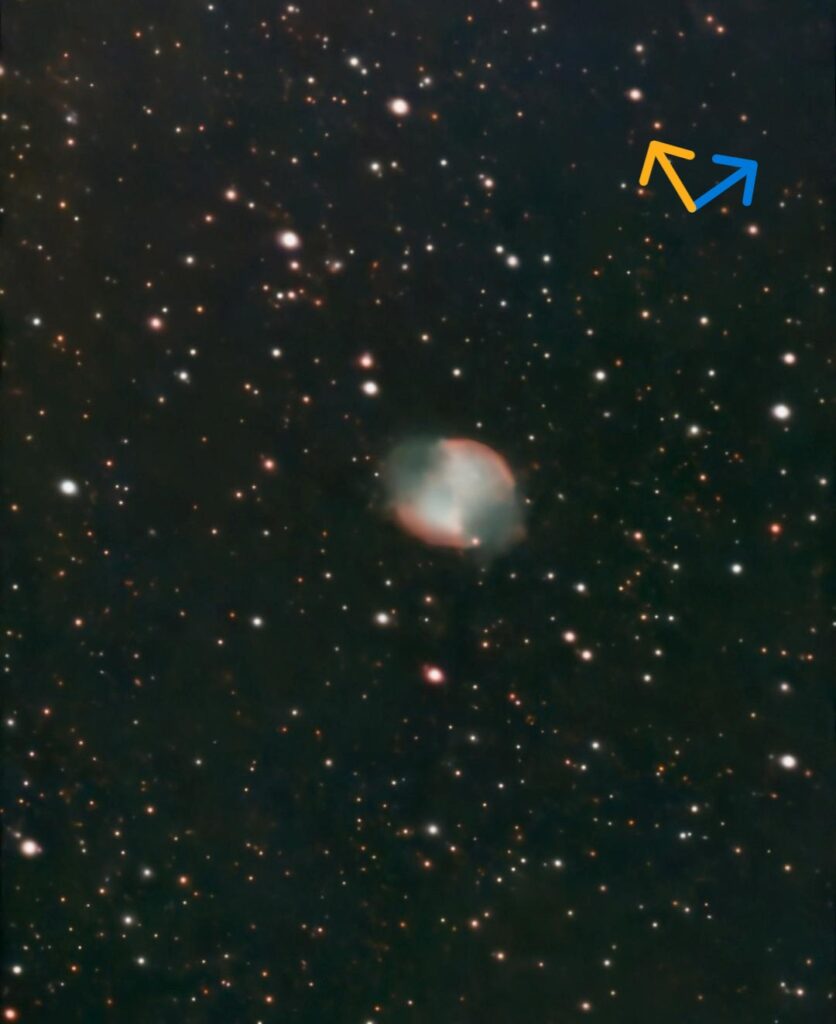
M27 58 @ 10s subs SeeStar 50
Supernova remnants (e.g. M1, NGC 6960)
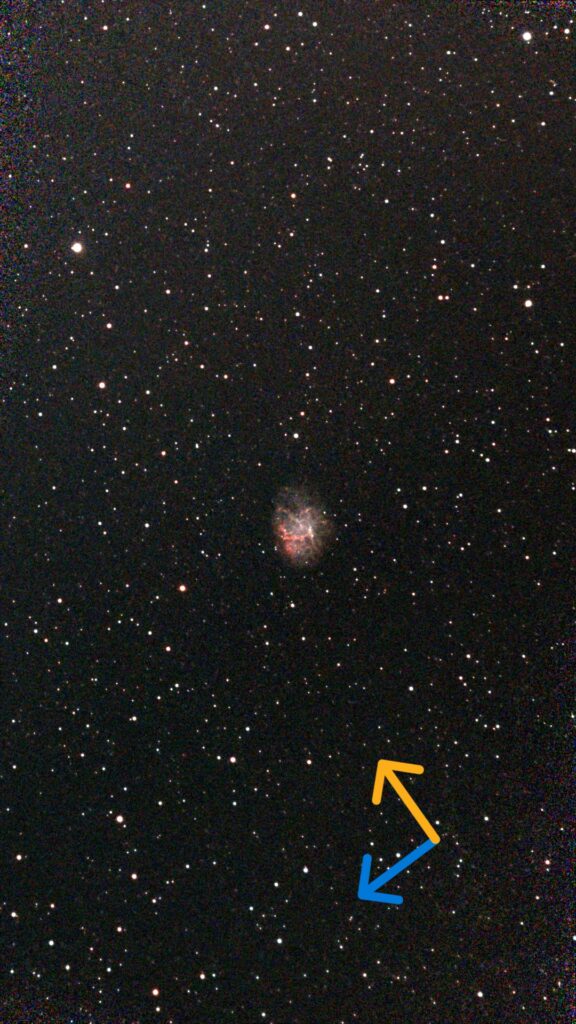
M1 124 @ 10s subs SeeStar 50
Additional DSO Images to complete the 25 required:
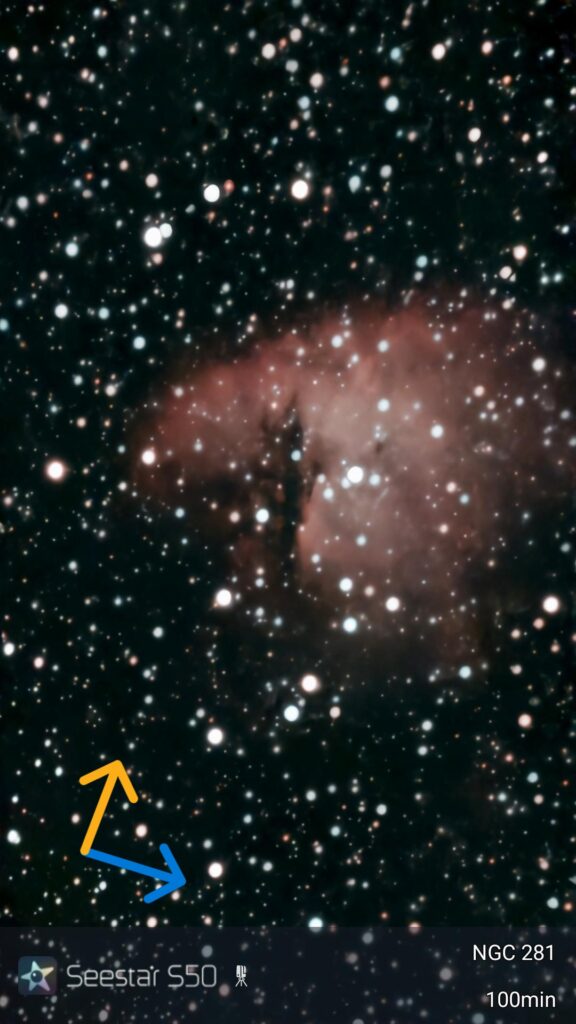
600 @ 10s subs
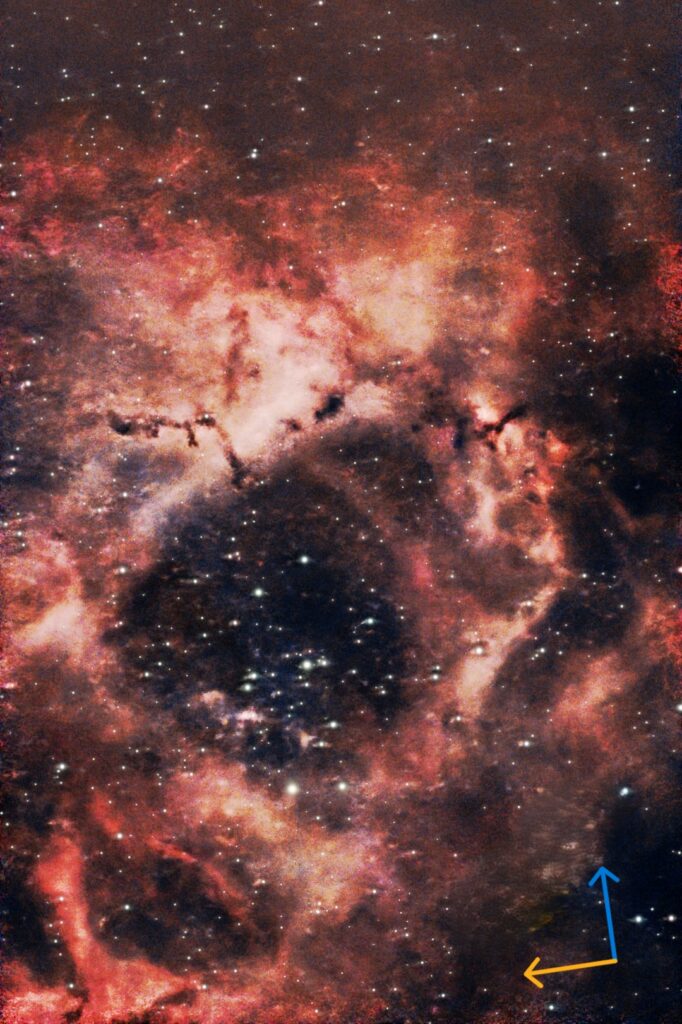
NGC 2237 39 @ 10s subs SeeStar
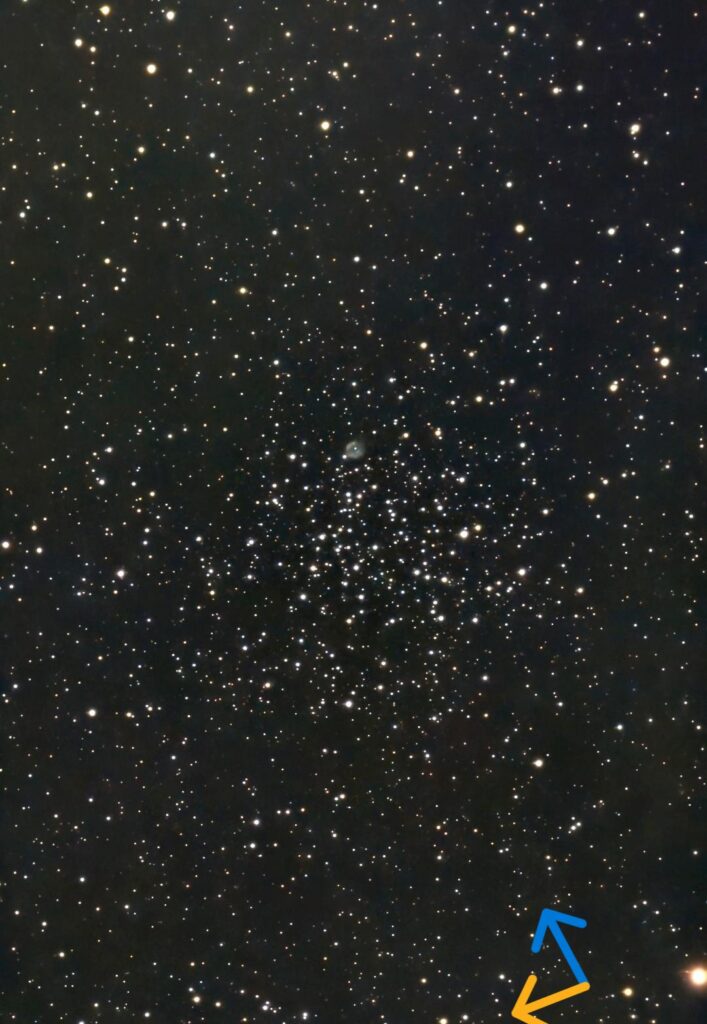
M 46 with NGC 2438 30 subs @ 10s
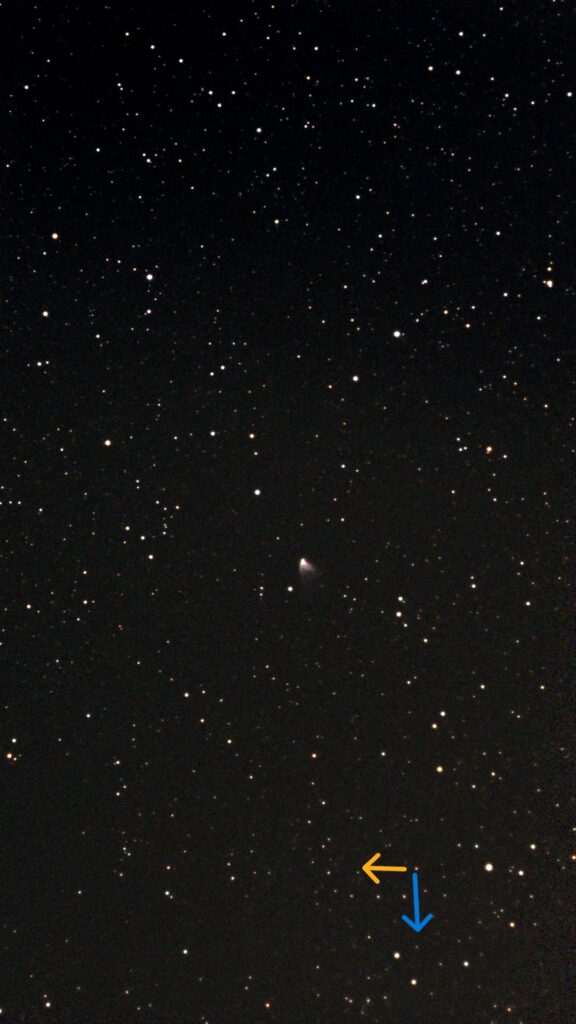
Caldwell 46 13 @ 60s subs RCOP
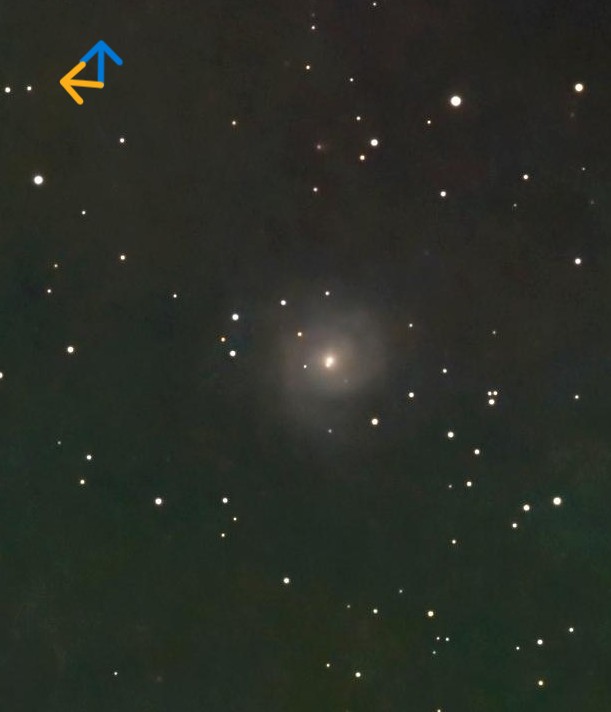
M 74 78 @ 10s subs SeeStar
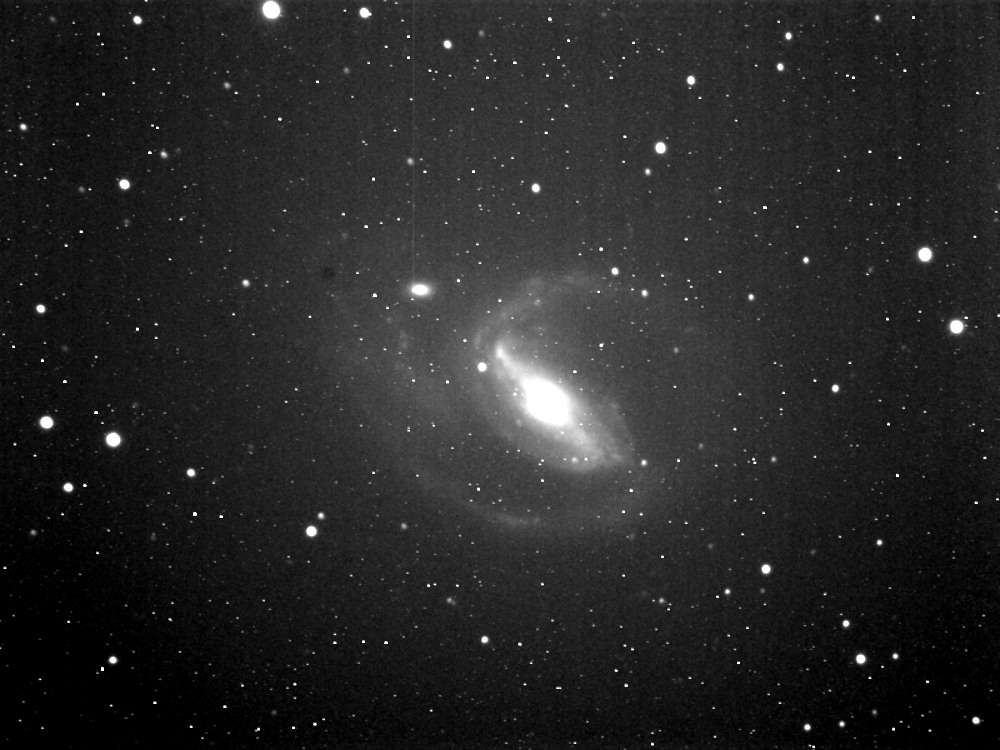
Caldwell 67 RCOP 7 subs @ 60s
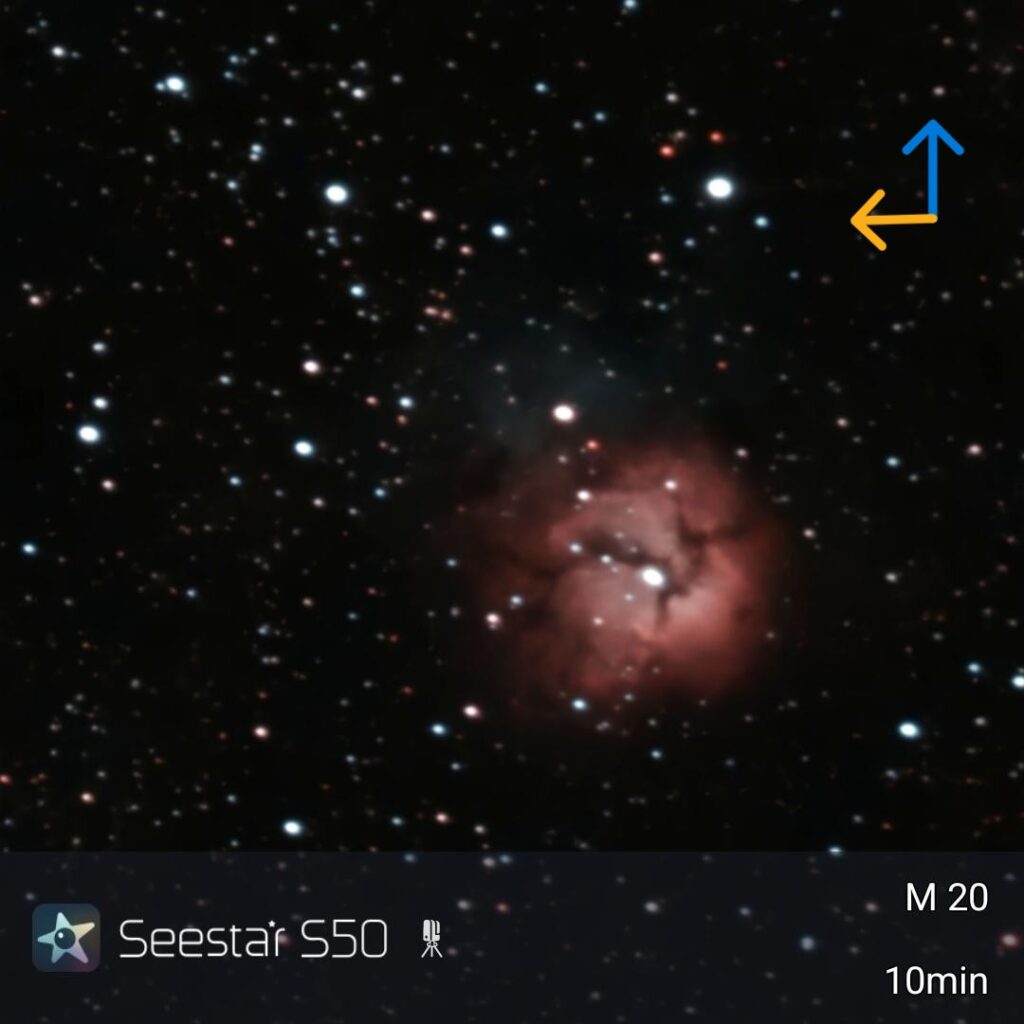
M 20 60 @ 10s subs
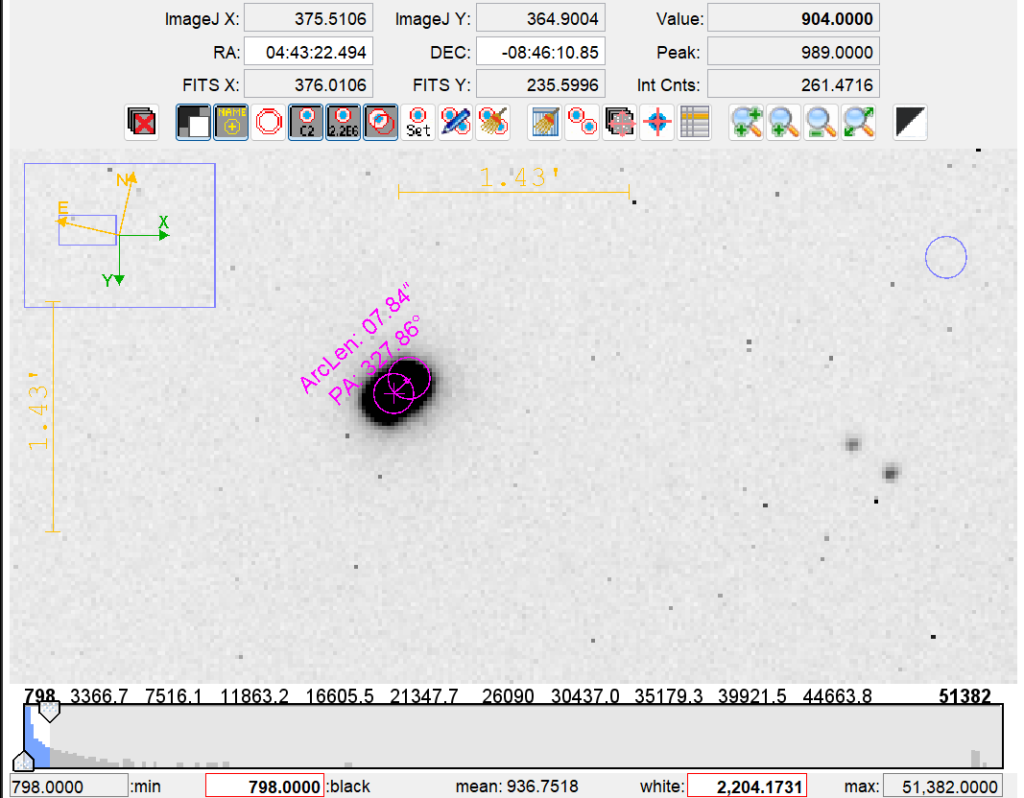
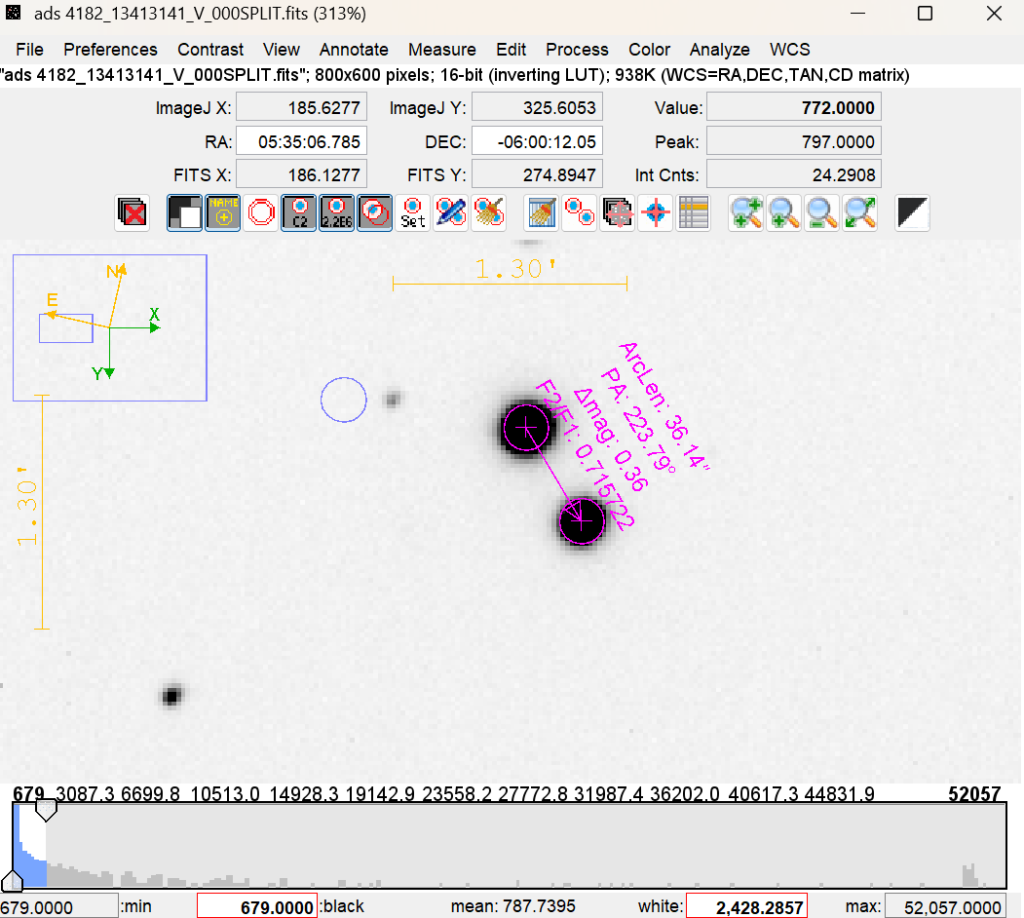
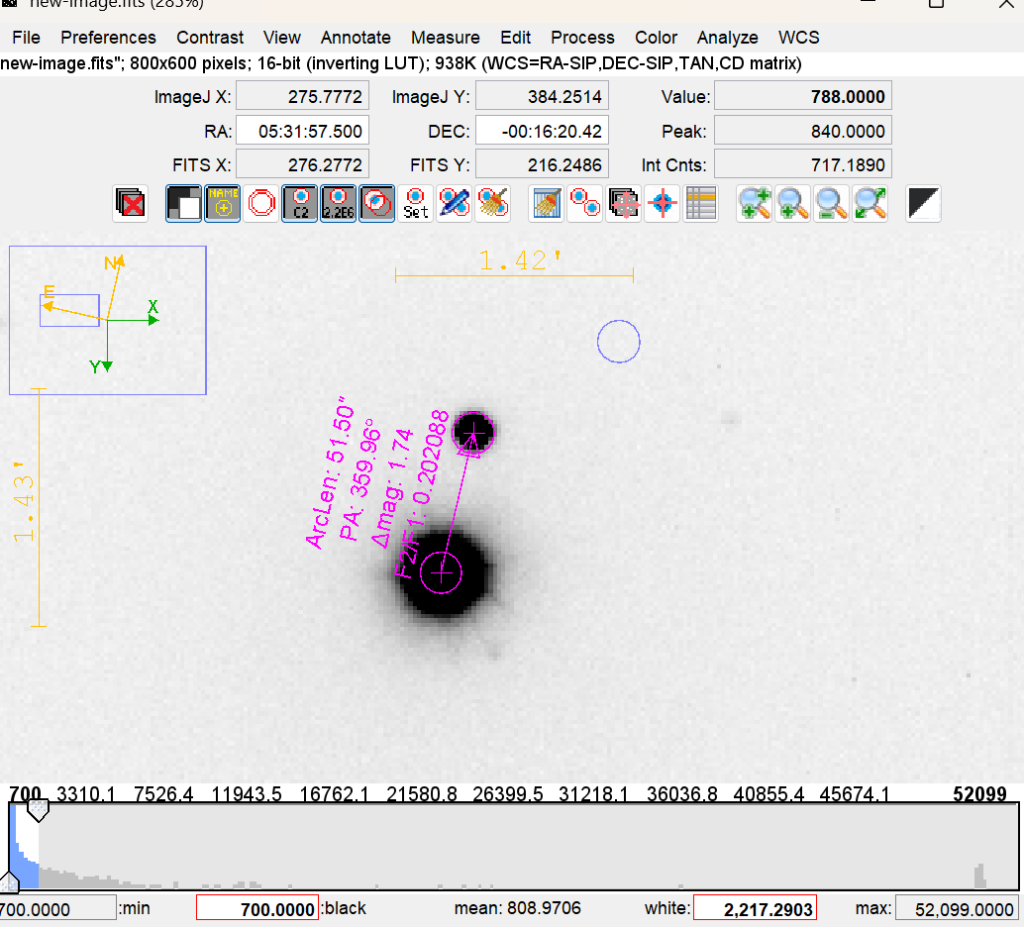
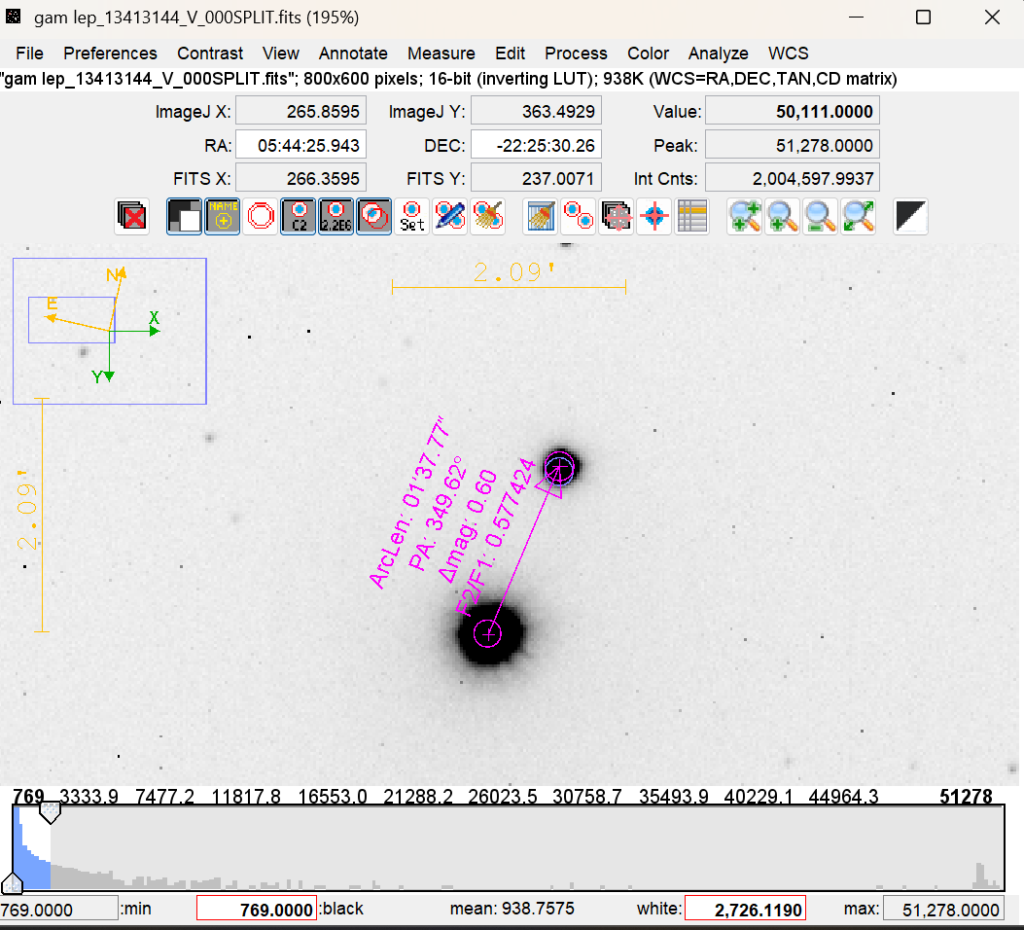
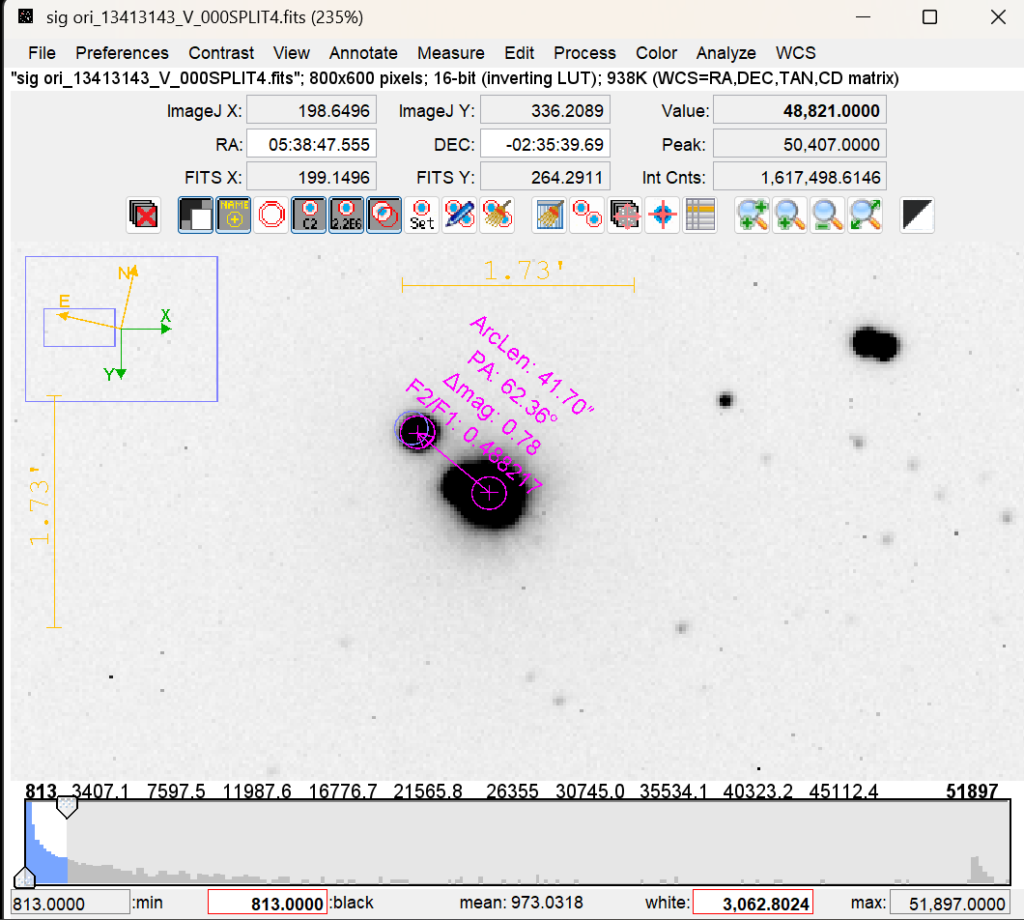
2. OPTIONAL: Image five double stars from the Astronomical League’s Double Star Program. From these images measure the position angle and separation between the primary and secondary. [Five images—replaces 5 DSOs]
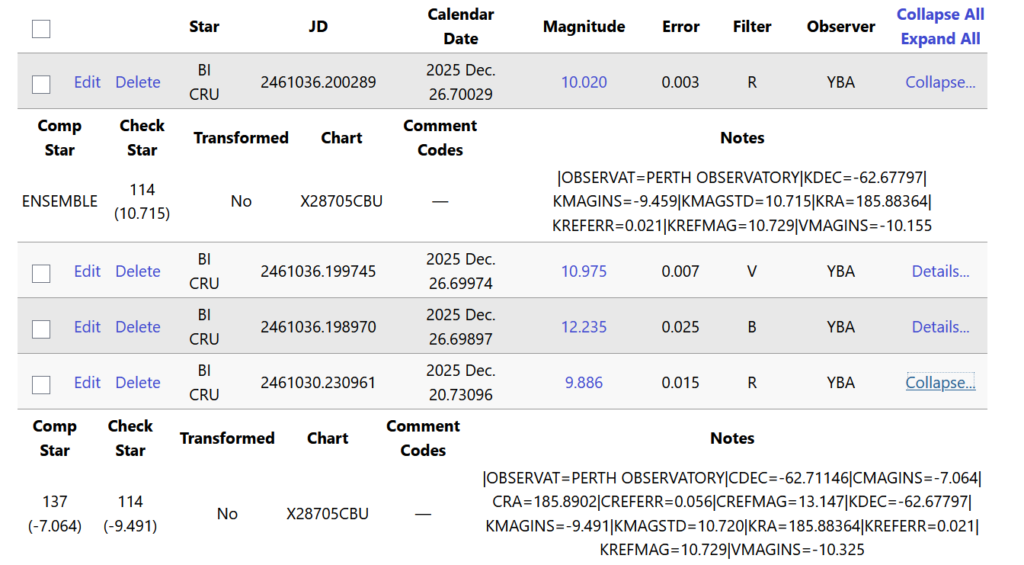
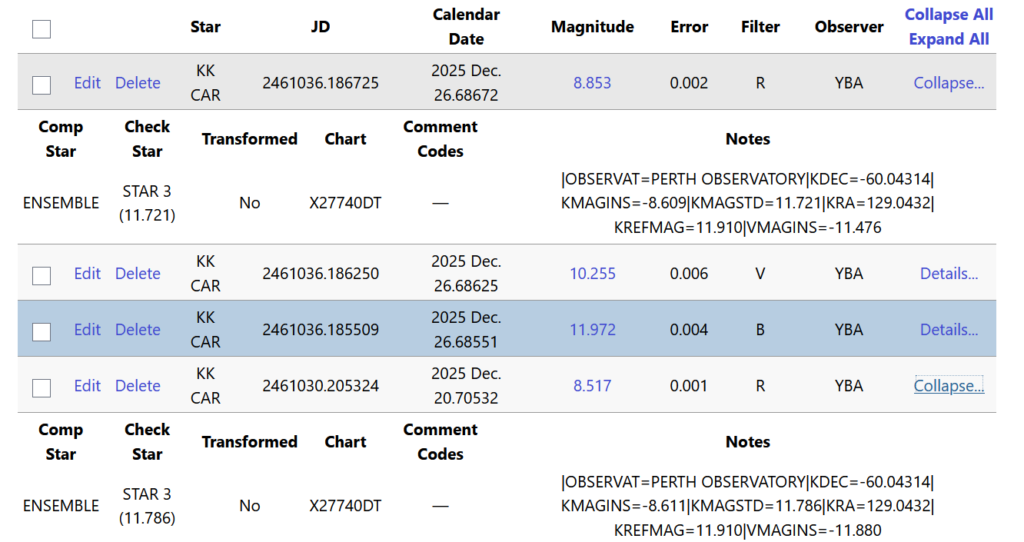
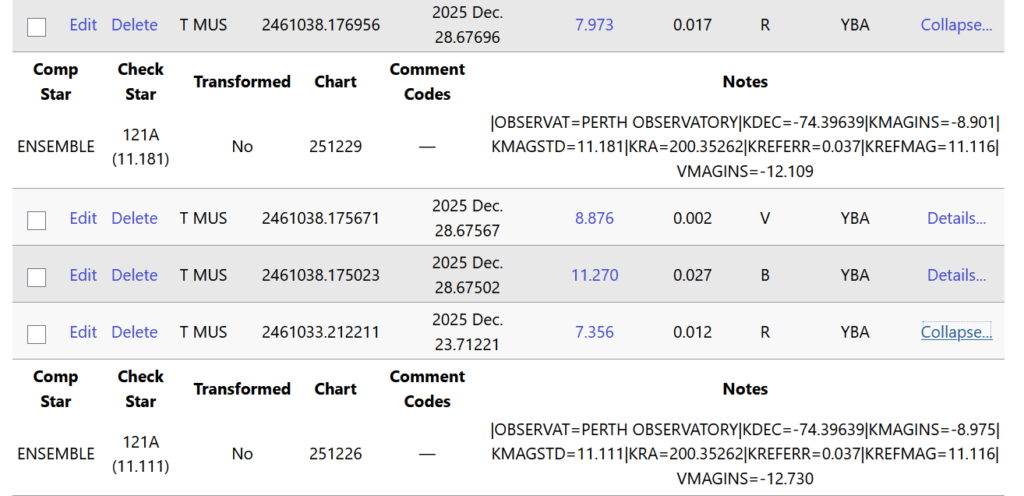
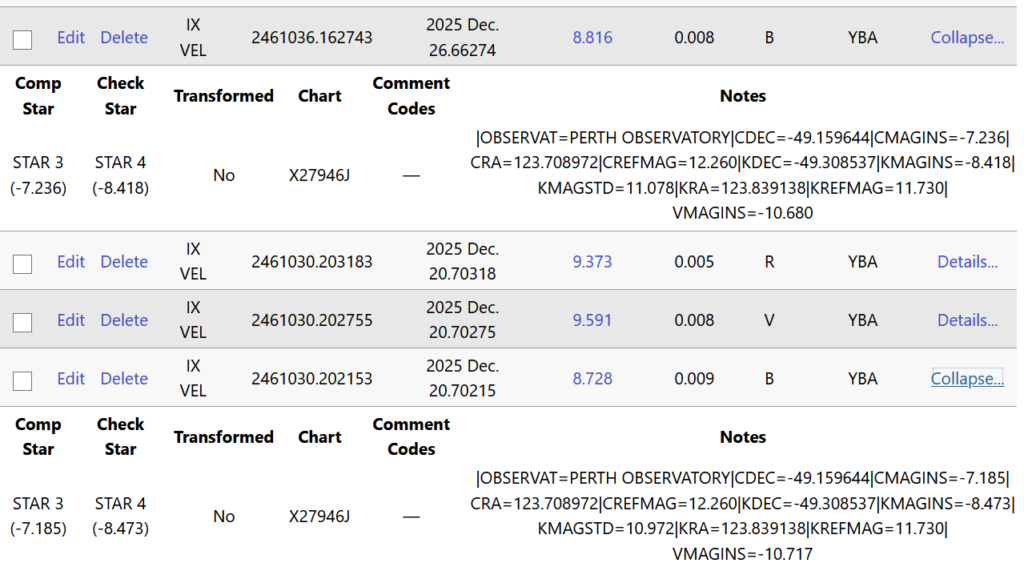
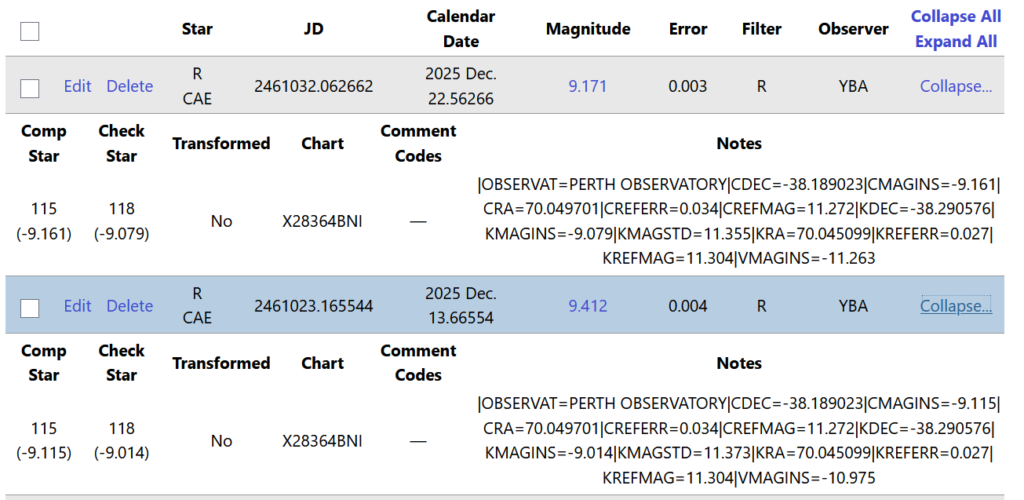
3. OPTIONAL: Select two variable stars from the A.A.V.S.O.’s Variable Star Index or Variable Star Target Tool and follow them over a period of two months using proper cadence. Use photometry to measure the changing brightness over the period.
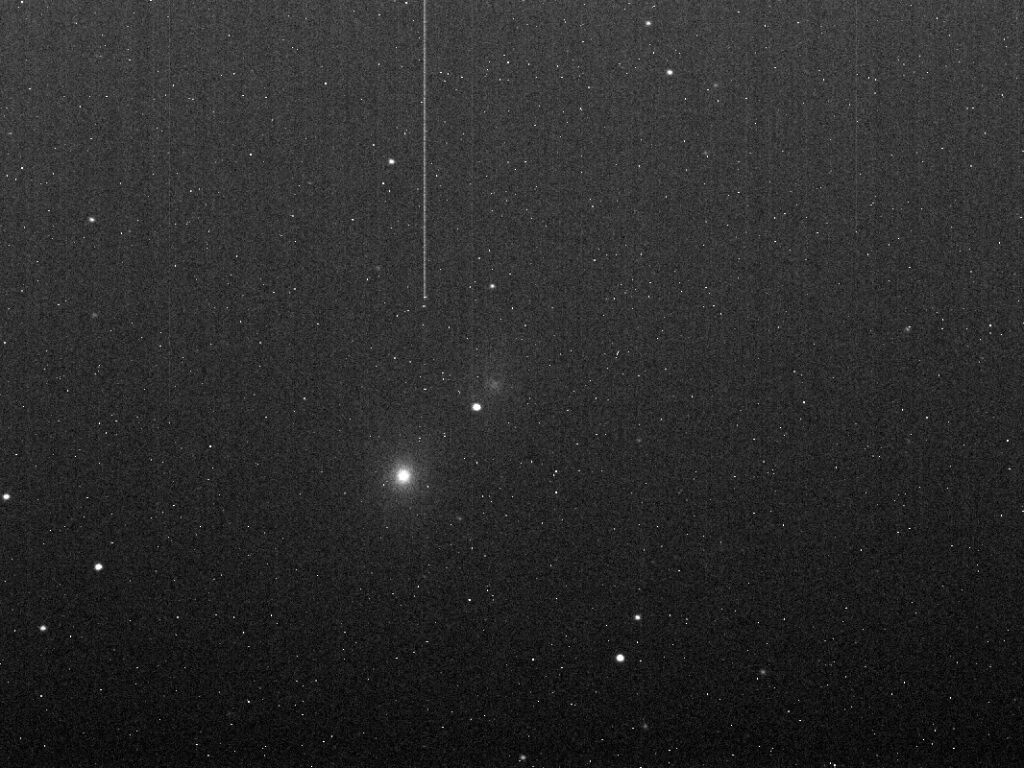
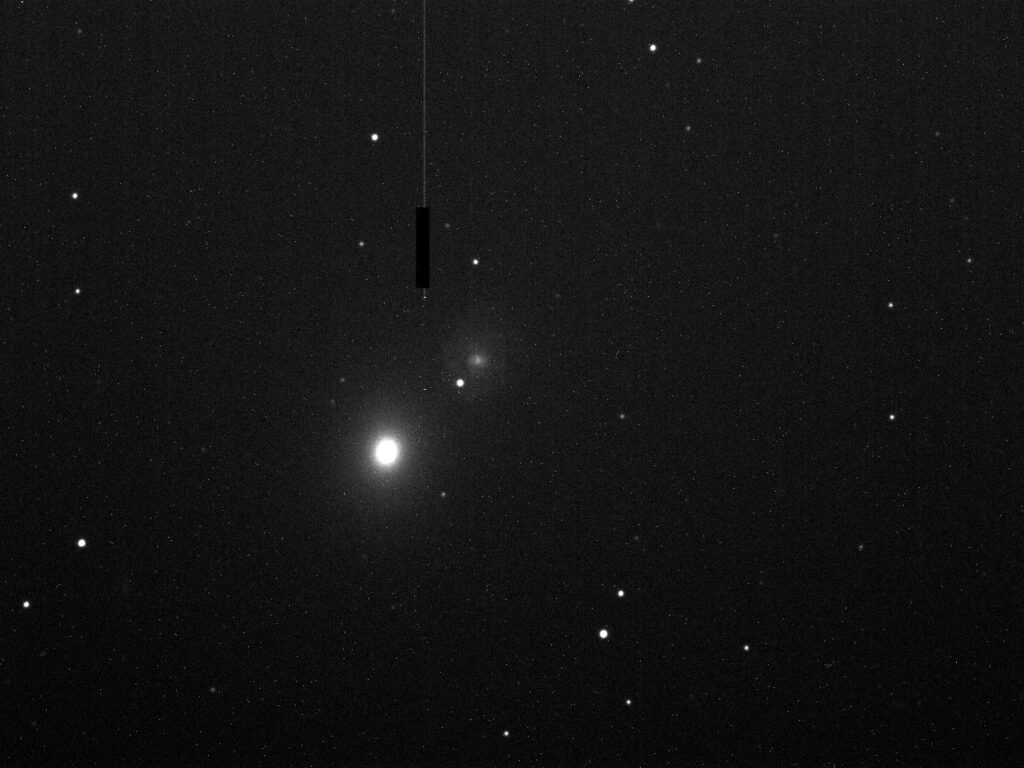
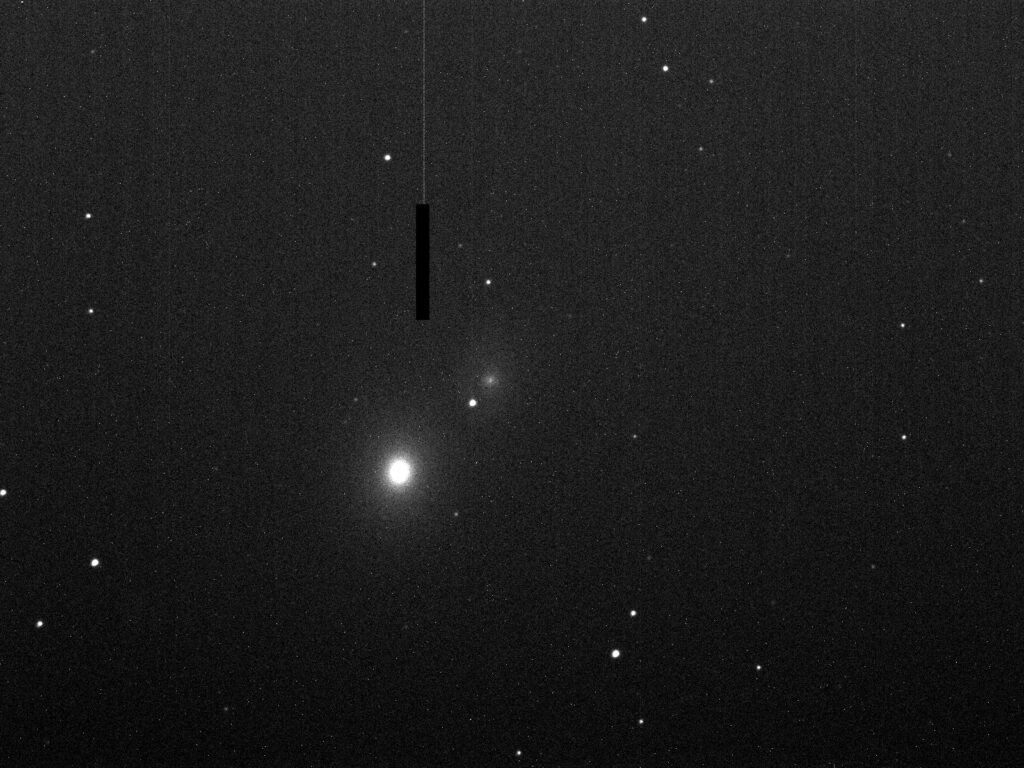
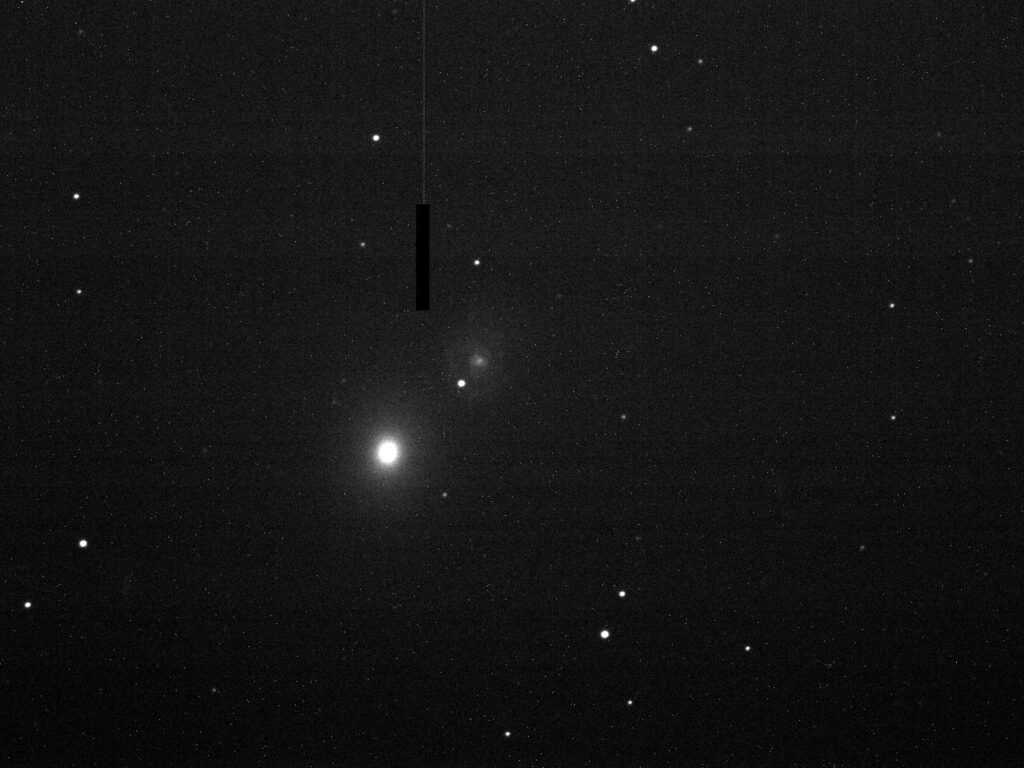
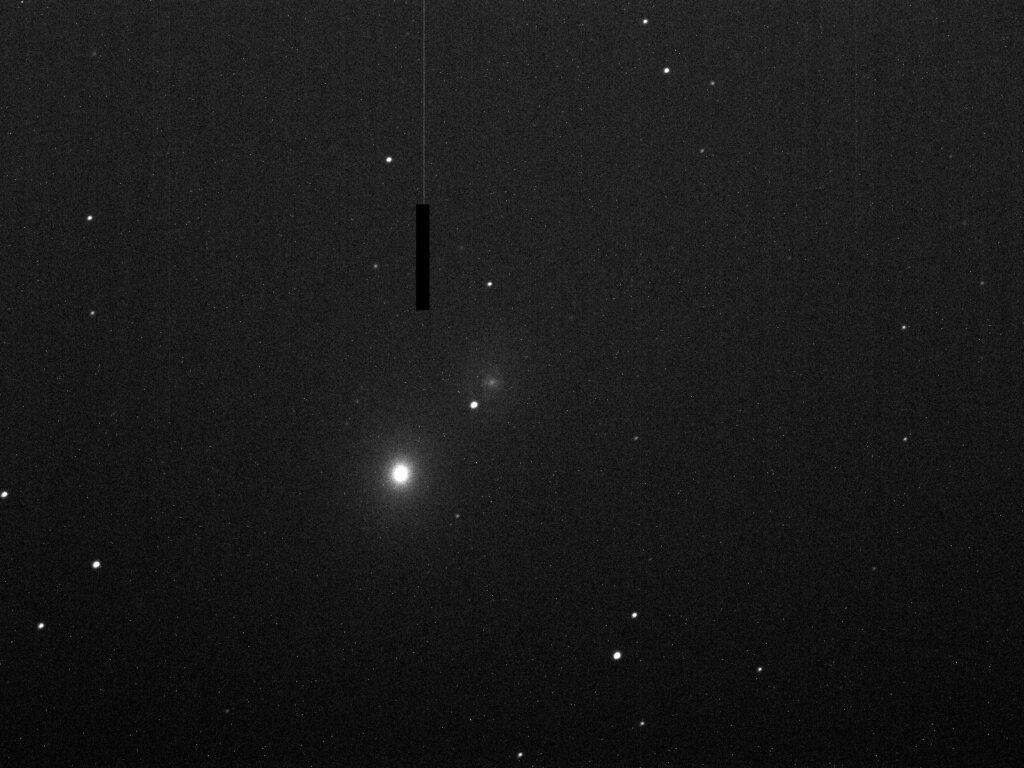
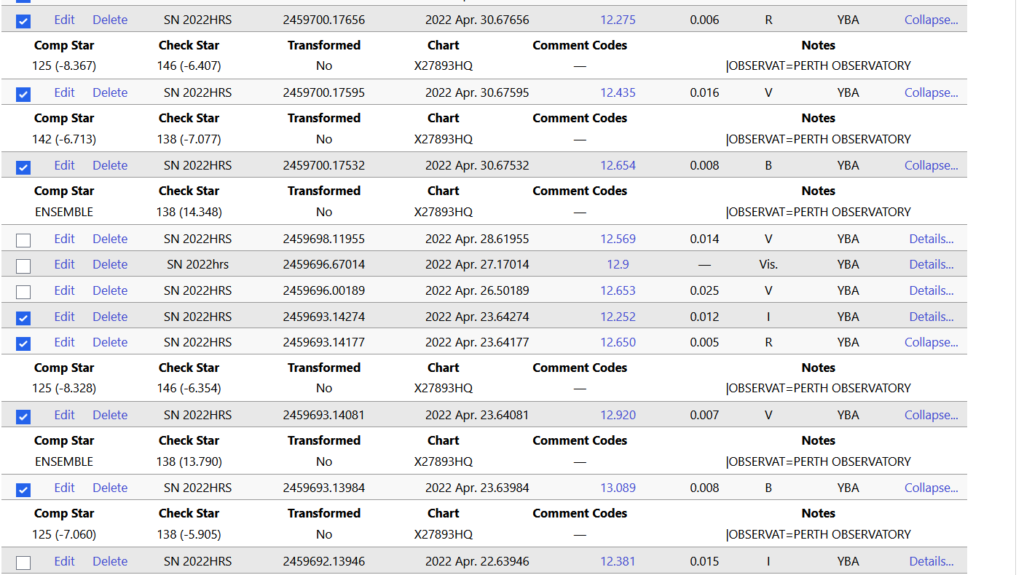
4. OPTIONAL: Image a nova or a supernova at least twice over a suitable time period to show a change in brightness. Estimate the brightness in each image based on surrounding stars. [Two images—replace two DSOs]
SN 2022hrs – see report at bottom. Each image is oriented as shown, blue arrow north orange is east, red is Messier 60, purple is NGC 4697, white = SN