1. Image the entire solar disk showing sunspots with a white light filter OR a hydrogen-alpha telescope. [One image]
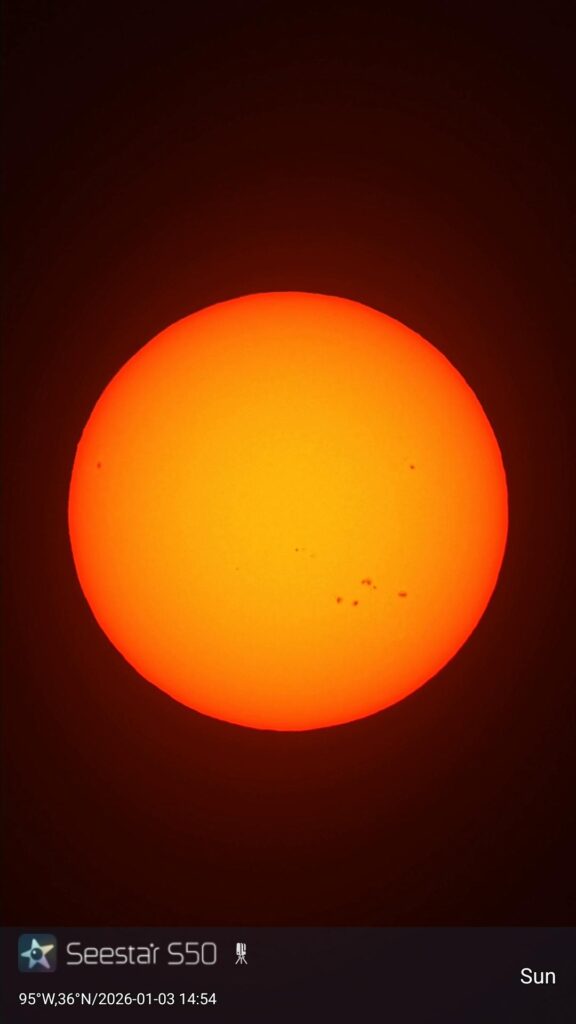
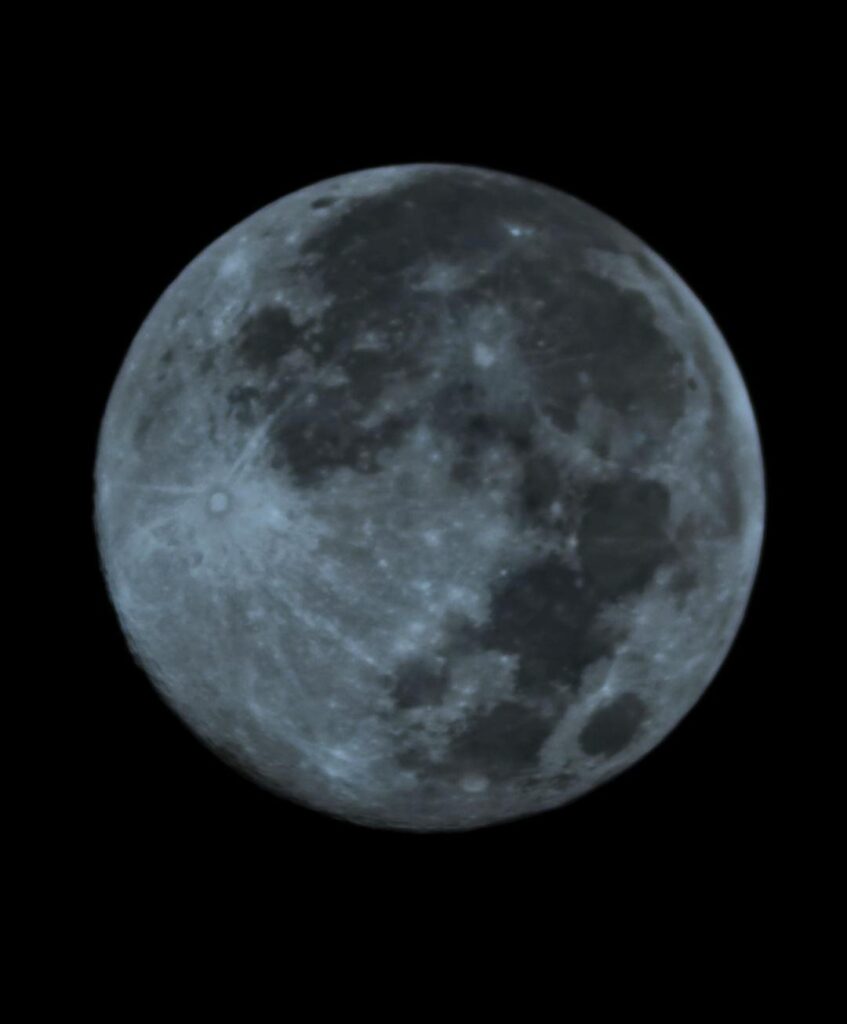
For solar and lunar, north is up east to left
2. Image and label solar details mentioned in either the Astronomical League’s Sunspotter Observing Program (white light with a suitable filter) or the Astronomical League’s Hydrogen-Alpha Observing Program. [One image]
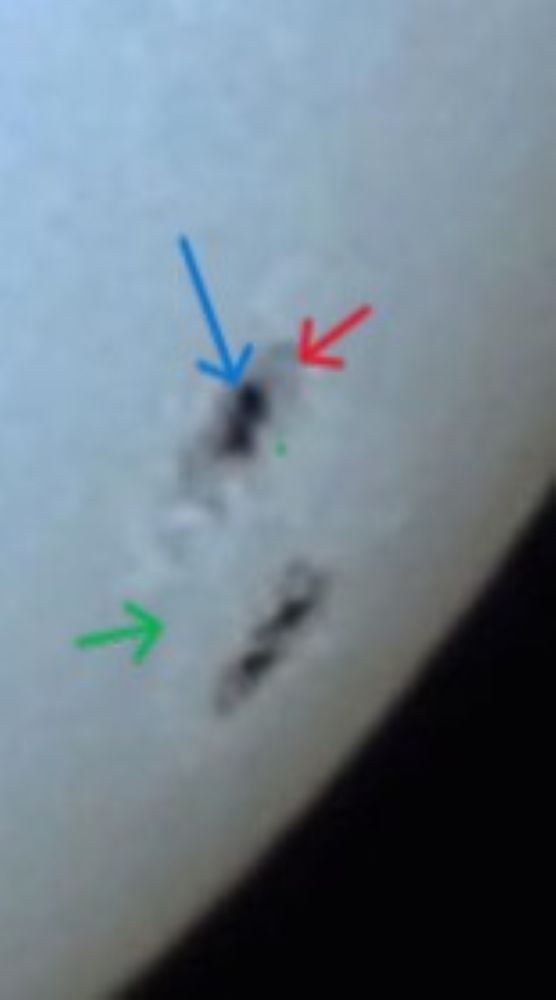
Sunspots in white light. Umbra = blue Penumbra Red Facula Green
3. Image the entire lunar disk. Depending on your equipment a mosaic may be required to capture the entire disk. [One image]
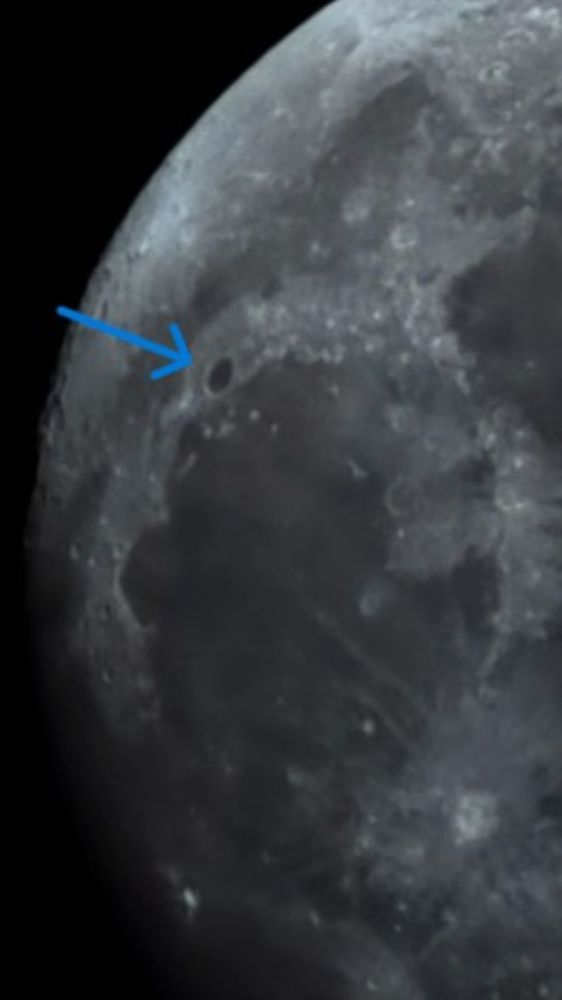
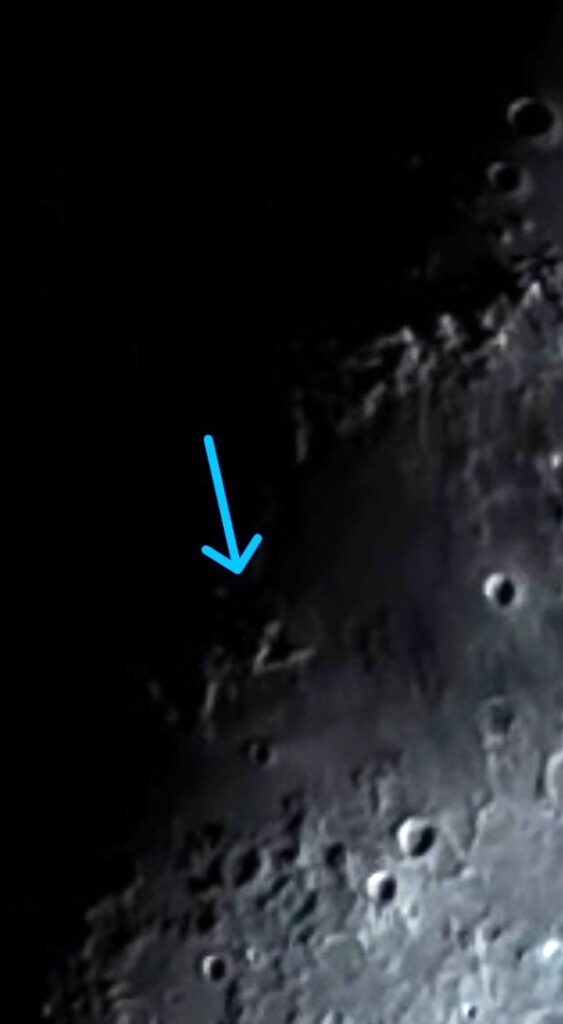
4. Image in detail any seven of the lunar features mentioned in either the Astronomical League’s Lunar or Lunar II Observing Programs. One of the images should show both a crater and a dome. While an image may have several features, seven images must be submitted, each highlighting a particular feature. [Seven images]
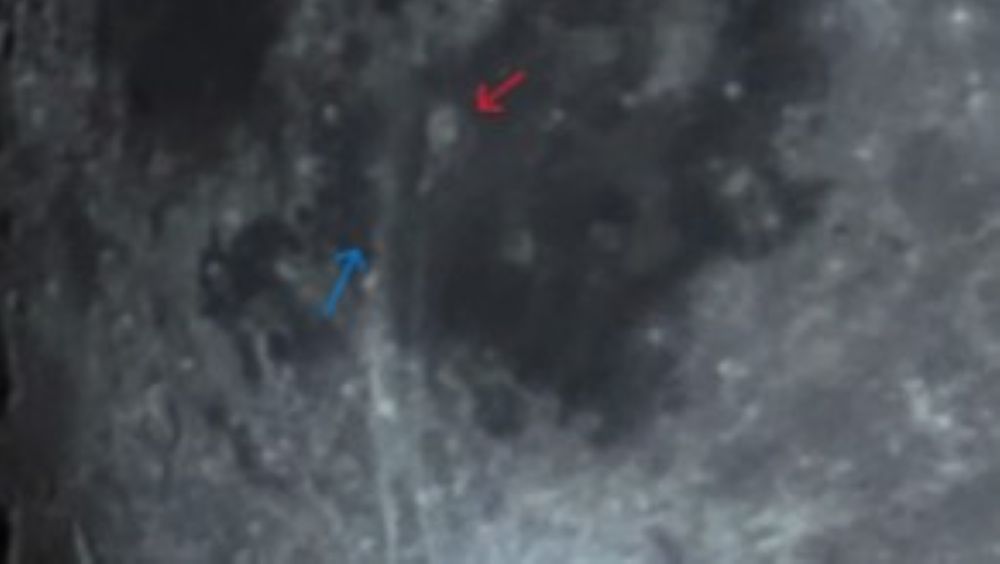
Blue is Dome Kies Pi Red is Bullialdus for reference
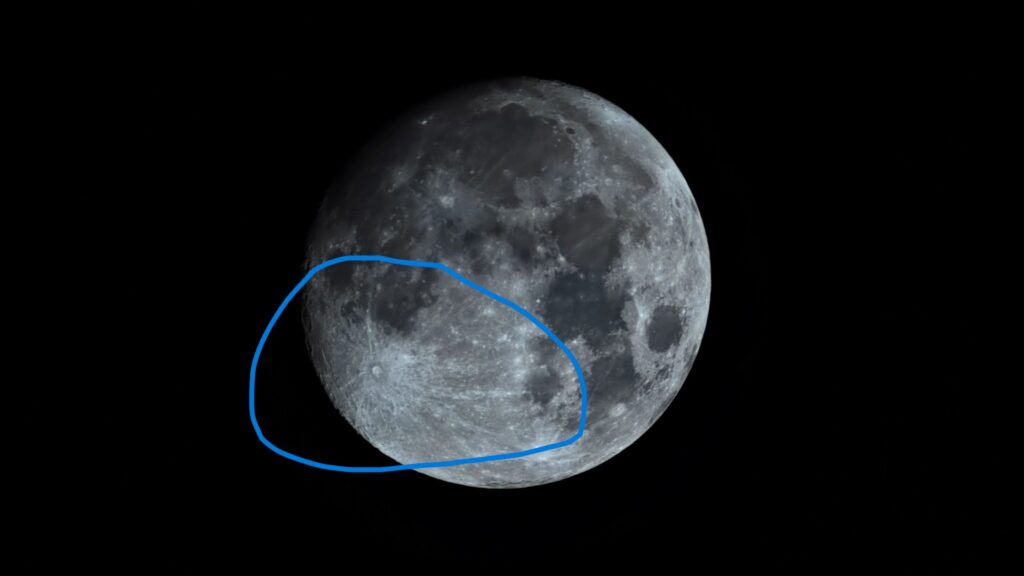
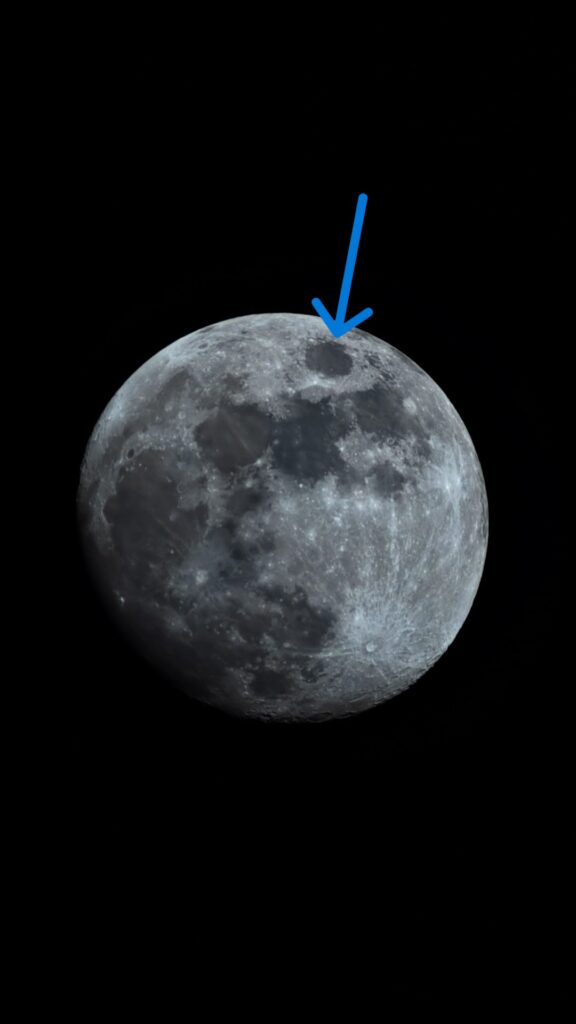
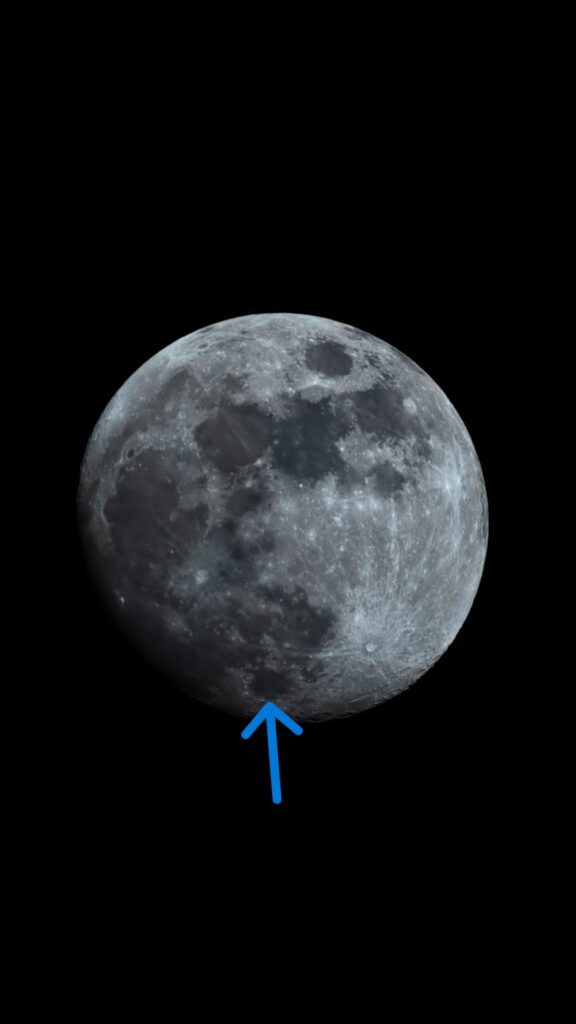
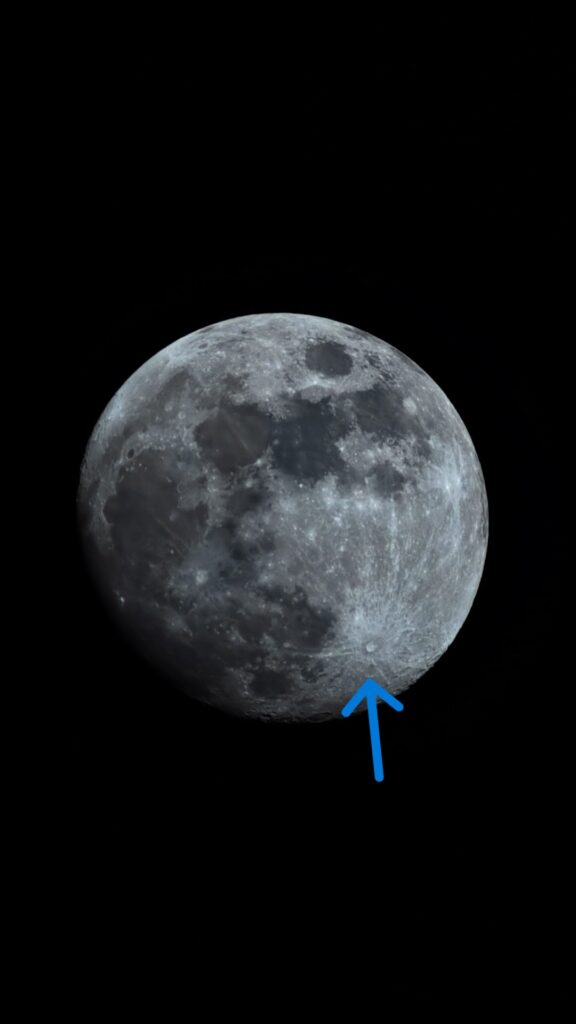
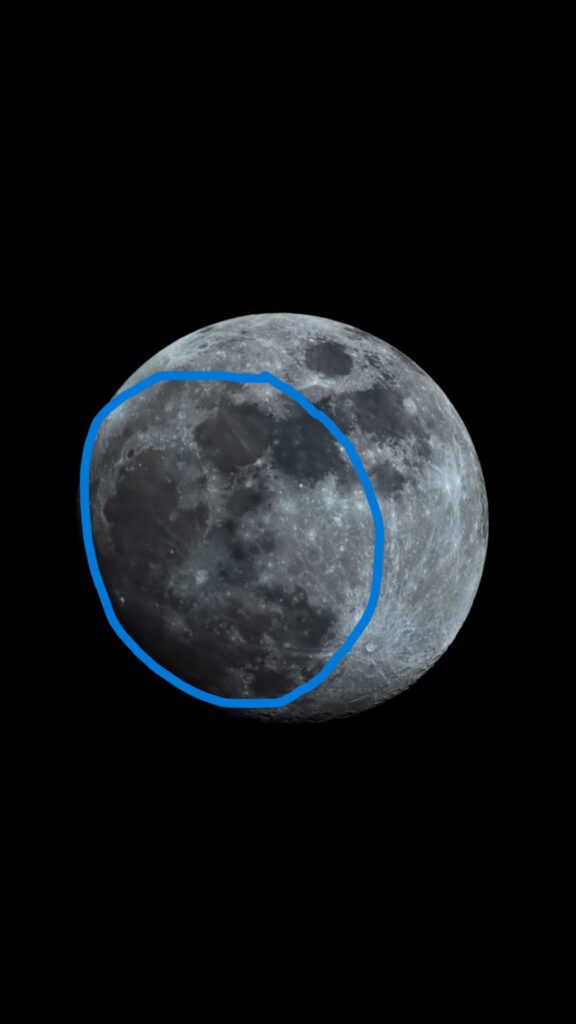
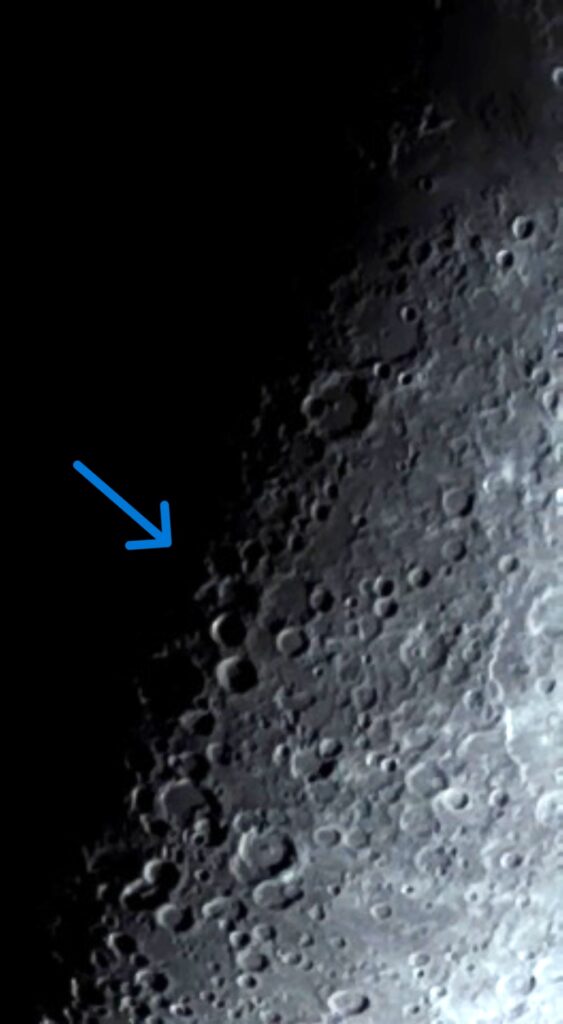
5. As the terminator sweeps across the Moon’s surface the changing light and shadows can create interesting temporary shapes like the Lunar-X or Lunar-V. These are called Clair-lunar effects. Image the Lunar-X and Lunar-V. The final product may be either a single image or a time-lapse video (AVI, SER, etc.) of the event. [Two images]
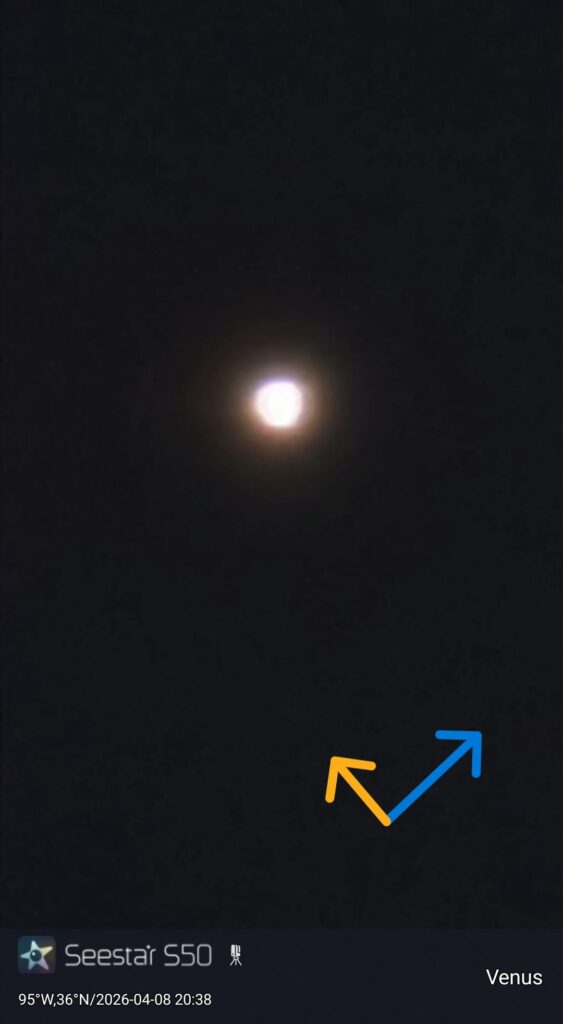
6. Image Saturn, Mars and Venus (pick two of the three). Saturn should show detail as should Mars if imaged near opposition. Venus goes through phases and may not appear round. [Two images]. Blue arrow is north, gold is east.
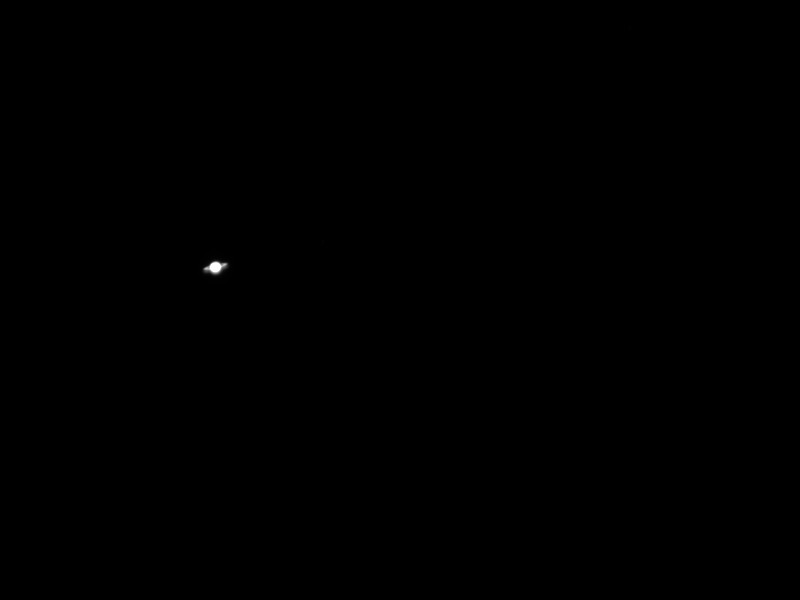
Saturn, 1 sec exposure using RCOP in Perth
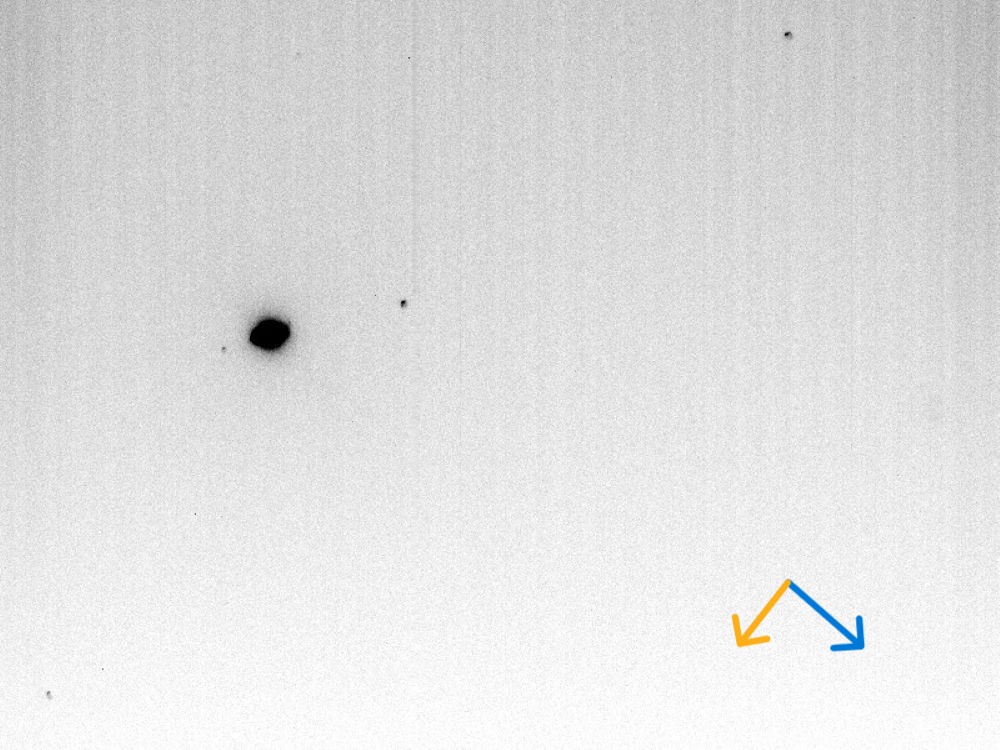
Saturn using RCOP in negative, showing Dione and Titan
7. Image Jupiter showing the Great Red Spot (GRS). [One image]
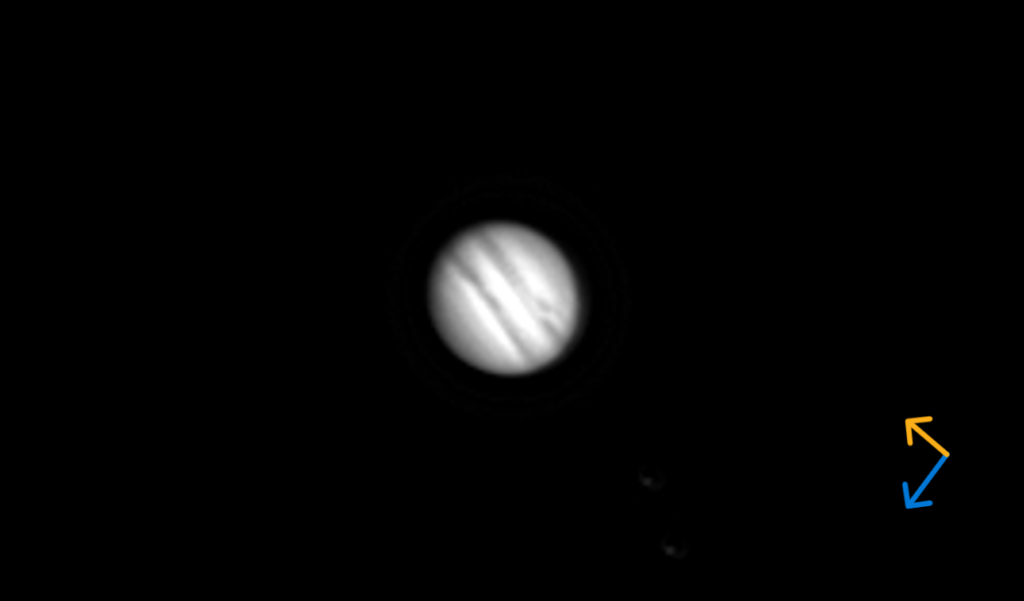
Used ETX-125 with camera for this image. GRS 2/27/2026 8:52 p.m. CT
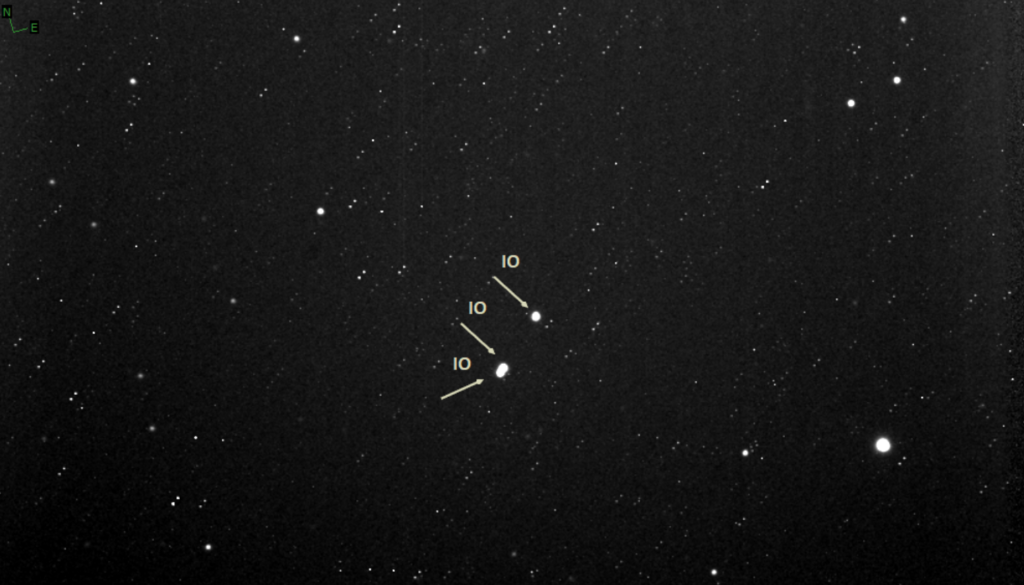
8. Image Jupiter showing a satellite transit, an occultation, an eclipse, and a shadow transit. Be sure to include the name of the satellite and event. Images with multiple events are permissible and even encouraged. [5 for 3 images]
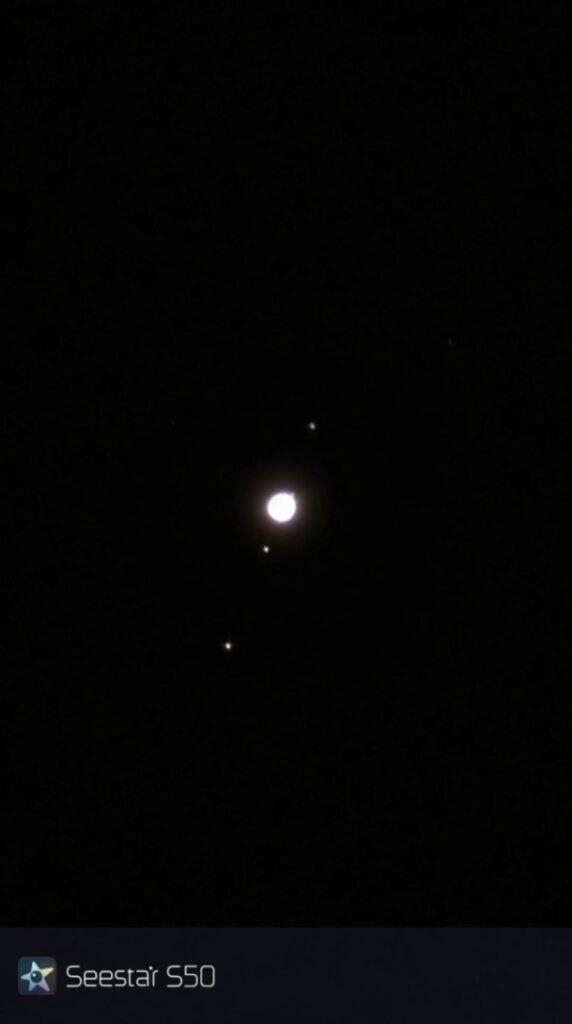
Io eclipse reappearance 1/30/2026 1:49 UT
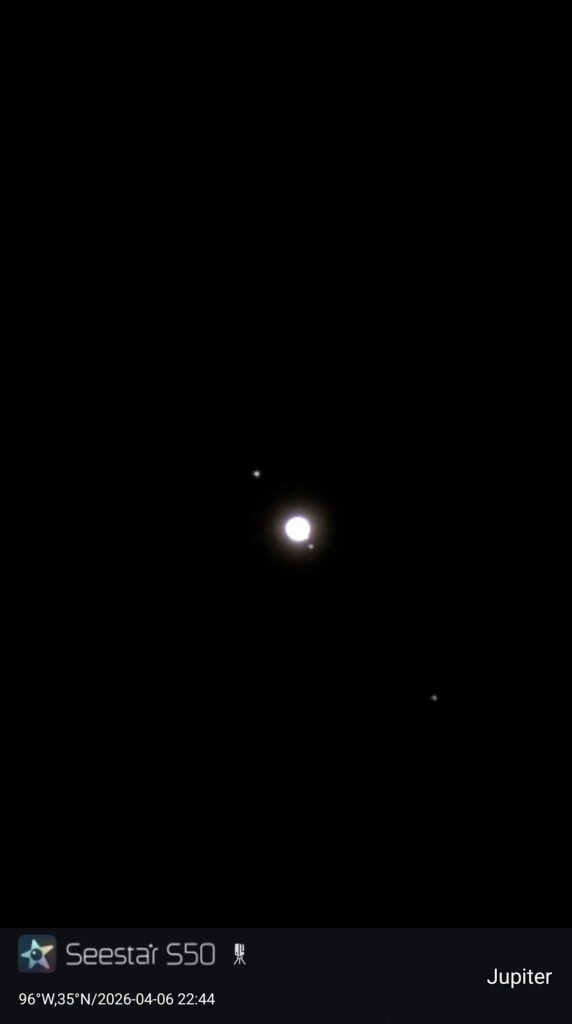
Io occultation disappearance -time and date in CDT.
Io transit egress 12/30/25 2:34 UT (Video) – ETX-125
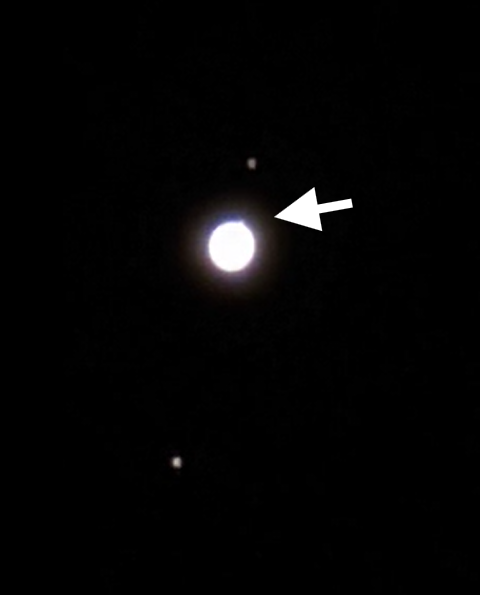
Io transit egress 12/30/25 2:34 UT Detail – ETX-125
Ganymede eclipse disappearance 4-27-26 22:49 CDT Ganymede on left upper side, closest to disk. Note Callisto near Io on right.
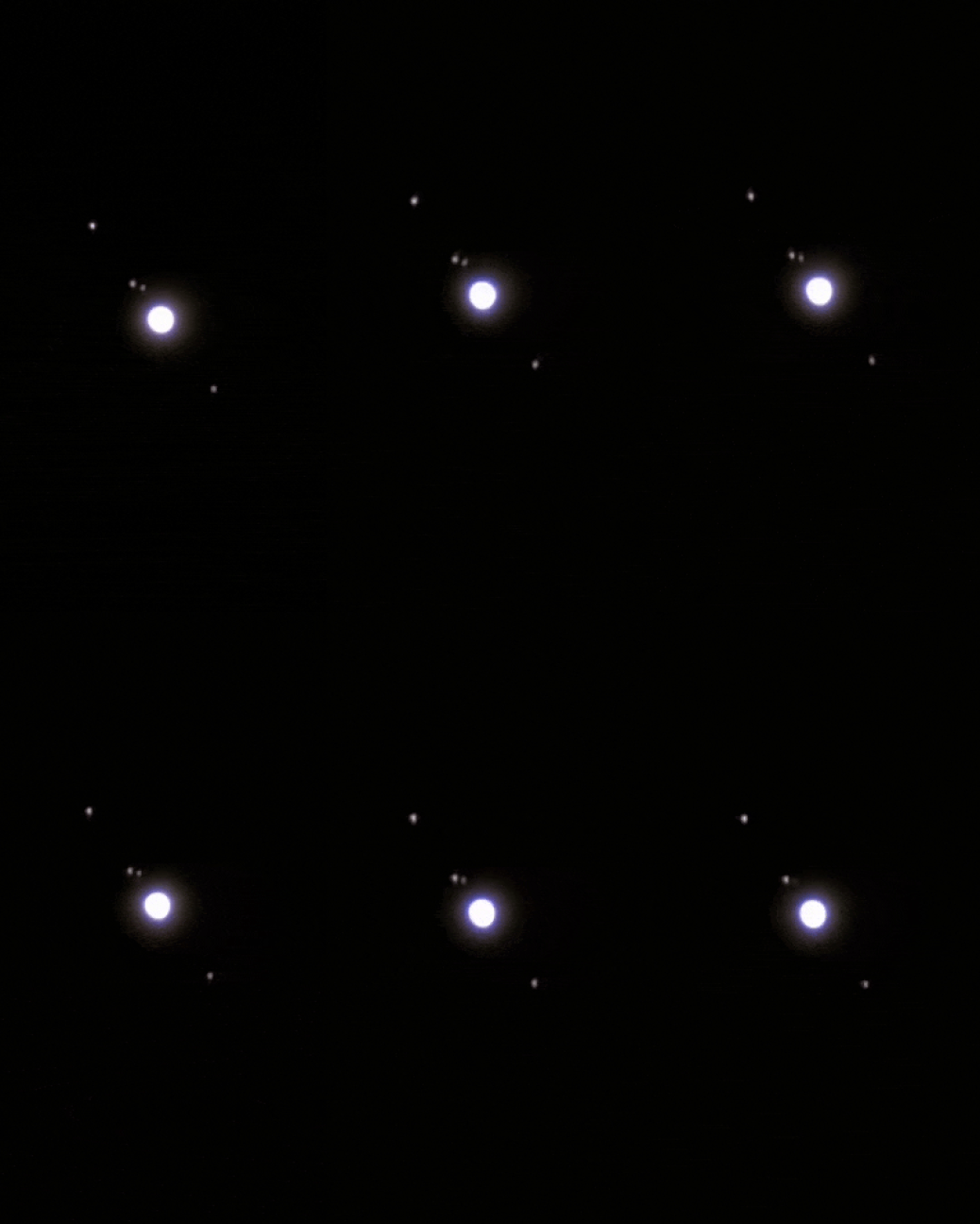
Callisto eclipse disappearance 4-28-2026 2:11 CDT, it is closest to disk on left side.
9. Image dwarf planets Pluto and Ceres (or other dwarf planets) twice over a one to two-month period and identify them in the field. Measure and report their positions (RA/Dec). [Four images]
1 Ceres 10 Dec 2025 using RCOP in Perth
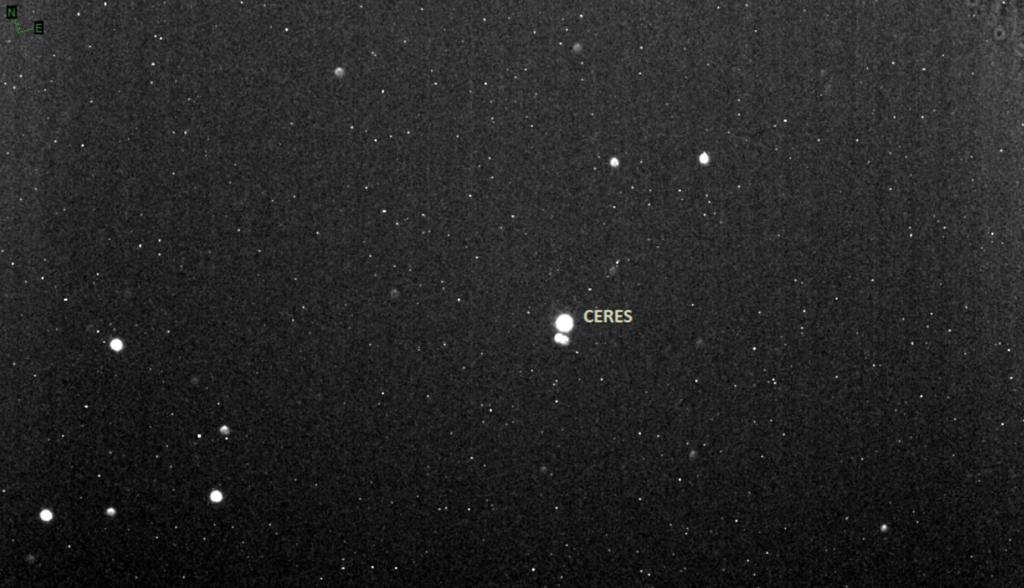
1 Ceres 30 Dec 2025 using RCOP in Perth
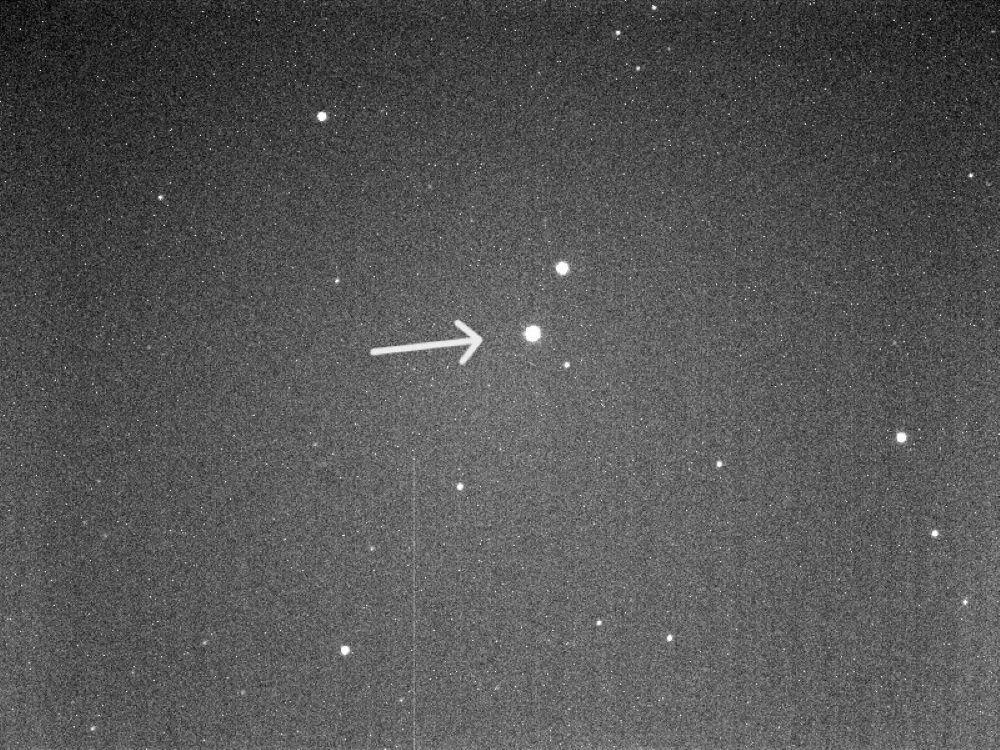
Pluto 3/31/2026 using RCOP 11@ 20s exposures
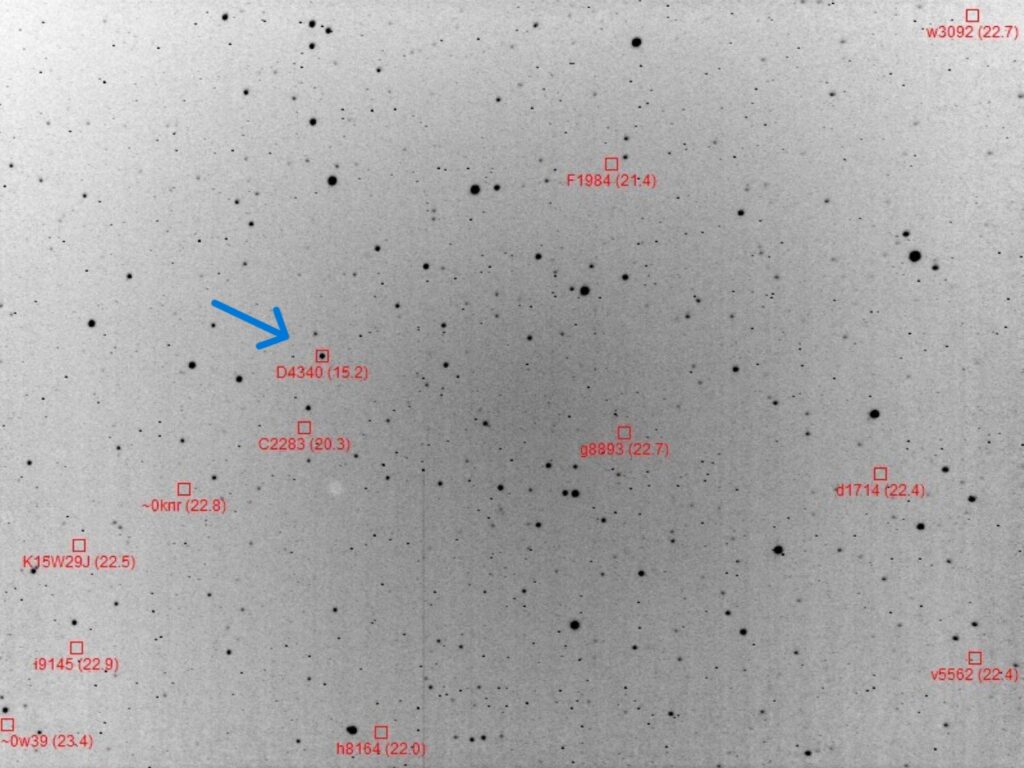
Pluto 4/30/2026 using RCOP 11 @ 20s exposures
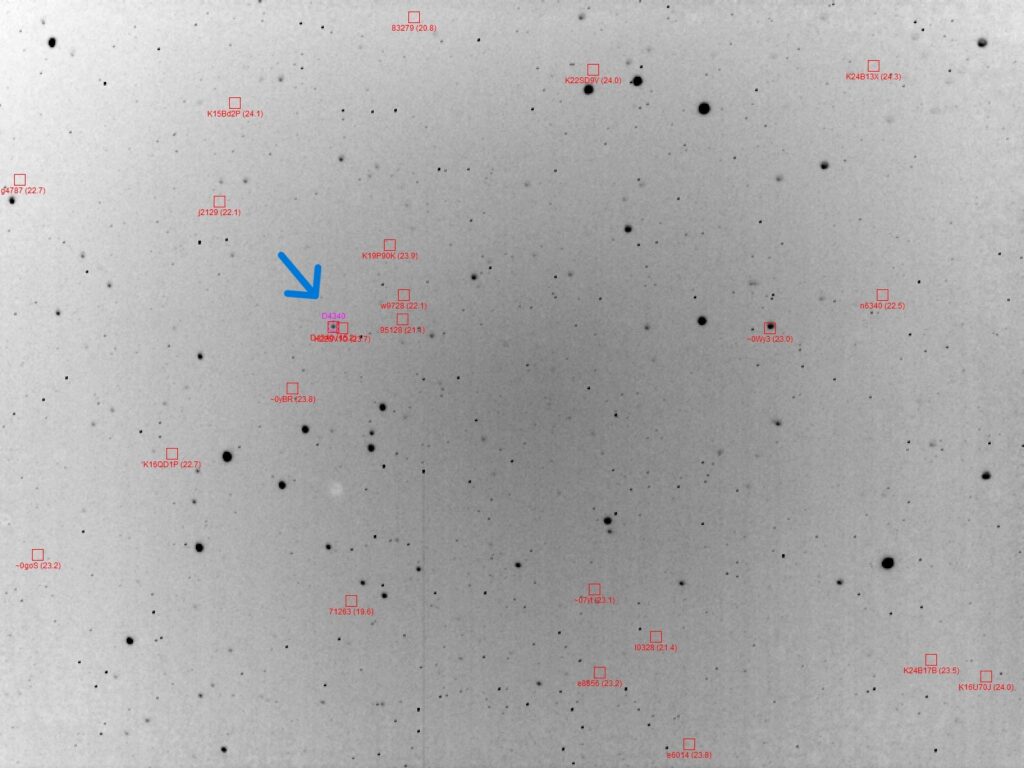
Typical for 4 reports:
COD 323
CON Brad Young [allenb_young@yahoo.com]
OBS B. Young
MEA B. Young
TEL 0.35-m R-COP reflector + CCD
ACK MPCReport file
AC2 allenb_young@yahoo.com
NET Gaia DR1
Ceres
00001 C2025 12 09.52054 00 28 10.69 -08 26 29.6 8.3 G 323
00001 C2025 12 30.52332 00 37 44.21 -05 42 43.6 8.8 G 323
Pluto
D4340 KC2026 03 31.82262 20 32 53.29 -22 52 41.8 14.4 G 323
D4340 C2026 04 29.77951 20 34 10.21 -22 53 56.9 14.6 G 323
10. Image a comet over the period of one to two nights to show motion through the sky. Measure and report the positions (RA/Dec). Due to the nature of comets please see Appendix 2 for details, hints, and tips. [Two images]
3I ATLAS 10 Dec 2025 – 4 @ 60s subs on RCOP and detail of position at time of exposure 18:45 UT
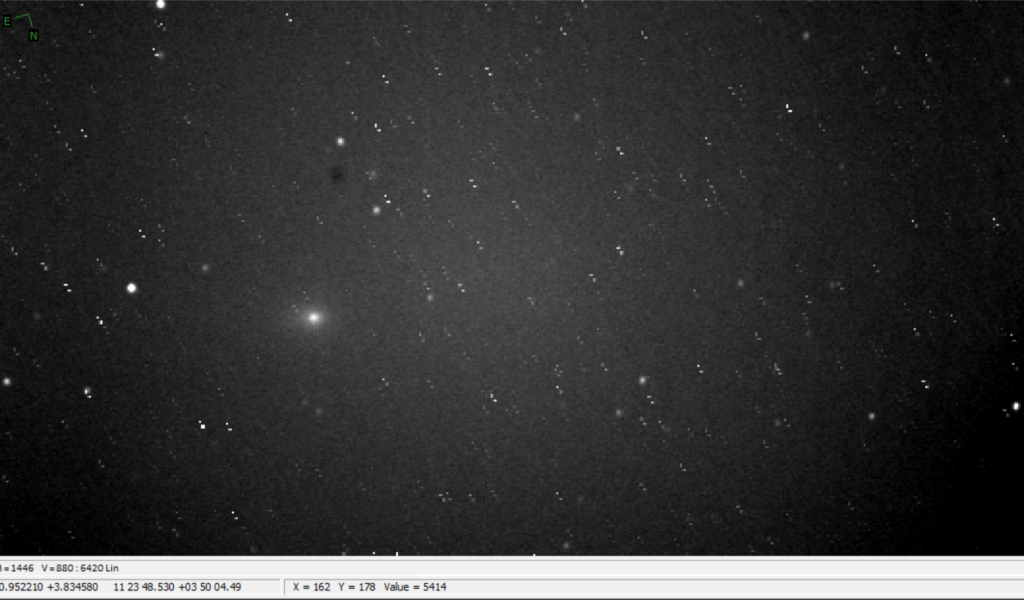

3I ATLAS 6@ 60s subs on RCOP 17 Dec 2025 and detail of position at time of exposure 19:43 UT
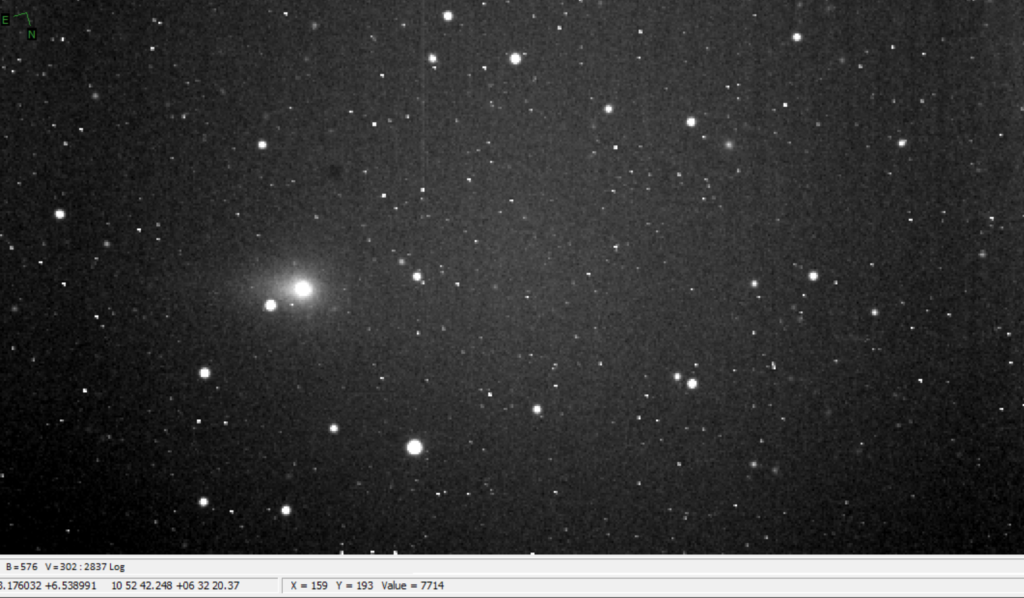

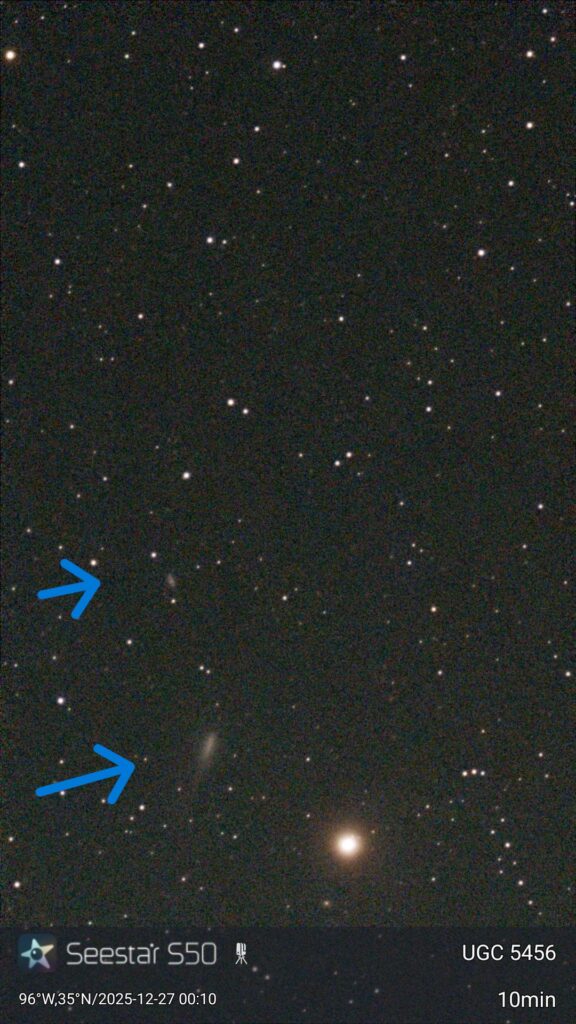
3I ATLAS 60 @ 10s subs on Seestar – time and date shown. Second arrow shows UGC galaxy.
11. Image an asteroid over the period of one night to two nights to show motion through the sky. Measure and report the positions (RA/Dec). Due to the nature of asteroids please see Appendix 2 for details, hints, and tips. [Two images]